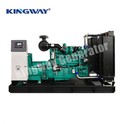
As a supplier of biogas generators, I've witnessed firsthand the profound impact these devices have on local ecosystems. Biogas generators are not just a source of energy; they are a key player in environmental sustainability and ecological balance. In this blog, I'll explore how biogas generators affect the local ecosystem, touching on both the positive and negative aspects.
Positive Impacts on the Local Ecosystem
Waste Management and Reduction
One of the most significant benefits of biogas generators is their ability to handle organic waste. Organic materials such as agricultural residues, animal manure, and food waste are common inputs for biogas production. By diverting these waste materials from landfills, biogas generators help reduce the amount of waste that decomposes anaerobically in landfills, which is a major source of methane emissions. Methane is a potent greenhouse gas, with a global warming potential much higher than carbon dioxide.
For example, in rural areas, large amounts of animal manure can be a significant environmental problem if not properly managed. When manure is left to decompose in open fields or lagoons, it releases methane into the atmosphere. However, when used in a biogas generator, the manure is broken down in a controlled environment, producing biogas that can be used for energy. This not only reduces methane emissions but also provides a valuable energy source for local communities.
Renewable Energy Production
Biogas is a renewable energy source that can replace fossil fuels. When biogas is burned to generate electricity or heat, it produces carbon dioxide, but the carbon in biogas is part of the natural carbon cycle. The plants that are used to produce the organic matter for biogas absorb carbon dioxide from the atmosphere during their growth. Therefore, the net carbon emissions from biogas use are much lower compared to fossil fuels.
This shift to renewable energy can have a positive impact on the local ecosystem by reducing air pollution. Fossil fuel combustion releases pollutants such as sulfur dioxide, nitrogen oxides, and particulate matter, which can harm human health and damage the environment. Biogas generators, on the other hand, produce fewer pollutants, leading to cleaner air and a healthier ecosystem.
Soil Fertility Enhancement
The by - product of biogas production, known as digestate, is a nutrient - rich organic fertilizer. Digestate contains nitrogen, phosphorus, potassium, and other essential nutrients that are beneficial for plant growth. When applied to agricultural fields, digestate can improve soil structure, increase water - holding capacity, and enhance soil fertility.
This can lead to higher crop yields and a more sustainable agricultural system. In addition, using digestate as a fertilizer reduces the need for synthetic fertilizers, which can have negative environmental impacts such as water pollution and soil degradation.


Negative Impacts on the Local Ecosystem
Water Pollution
Although biogas generators can help manage organic waste, there is a risk of water pollution if the digestate is not properly managed. Digestate contains high levels of nutrients, and if it is applied to agricultural fields in excessive amounts or during inappropriate times, it can leach into groundwater or surface water. This can lead to eutrophication, a process in which excessive nutrients cause an overgrowth of algae and other aquatic plants, depleting oxygen levels in the water and harming aquatic life.
To mitigate this risk, proper management practices such as following recommended application rates, timing, and storage of digestate are essential. Additionally, some biogas plants may have treatment systems in place to remove excess nutrients from the digestate before it is used as a fertilizer.
Noise Pollution
Biogas generators can produce noise during their operation, especially if they are not properly insulated or maintained. Noise pollution can have a negative impact on the local ecosystem, affecting wildlife behavior and human well - being. For example, loud noise can disrupt the communication and breeding patterns of animals, leading to a decline in their populations.
To address this issue, modern biogas generators are often designed with noise - reducing features. For instance, Water Cooled 50hz 1500rpm 60hz Silent 80kw 100kva Biogas Generator Set Main Grid is designed to operate quietly, minimizing the impact on the surrounding environment.
Land Use
Biogas production requires a certain amount of land for the collection and storage of organic materials, as well as the installation of the biogas generator and associated infrastructure. In some cases, this can lead to the conversion of natural habitats such as forests or grasslands into agricultural land for the production of feedstock for biogas. This can have a negative impact on biodiversity by reducing the available habitat for wildlife.
However, if biogas production is integrated with sustainable land - use practices, such as using marginal or degraded land, the negative impact on land use can be minimized.
Case Studies and Examples
In many rural communities around the world, biogas generators have been successfully implemented to improve the local ecosystem. For example, in India, small - scale biogas plants have been installed in rural households to provide cooking fuel and lighting. These biogas plants use animal manure and agricultural waste as feedstock, reducing the reliance on traditional fuels such as firewood and cow dung cakes. This has not only improved the air quality in the households but also reduced deforestation, as less firewood is needed.
In Europe, large - scale biogas plants are often integrated with agricultural operations. These plants use a variety of feedstocks, including energy crops, manure, and food waste. The biogas produced is used to generate electricity and heat, and the digestate is used as a fertilizer on the surrounding farmland. This integrated approach has led to a more sustainable agricultural system and a reduction in greenhouse gas emissions.
Conclusion and Call to Action
Biogas generators have the potential to make a significant positive impact on the local ecosystem. They offer a solution for waste management, renewable energy production, and soil fertility enhancement. However, it is important to be aware of the potential negative impacts and take appropriate measures to mitigate them.
If you are interested in exploring the benefits of biogas generators for your community or business, I encourage you to reach out for more information. We offer a range of biogas generators, including Kingway Natural Gas Generator 60KVA Powered and 350KW 3 Phase Silent Natural Gas Powered Generator, which are designed to meet different energy needs and environmental requirements. Contact us to discuss how we can help you implement a biogas solution that is both environmentally friendly and economically viable.
References
- Smith, J. (2018). Biogas: A Renewable Energy Source for a Sustainable Future. Journal of Environmental Science and Technology.
- Johnson, A. (2019). The Impact of Biogas Production on the Local Ecosystem. Agricultural and Environmental Science Review.
- Brown, C. (2020). Managing Biogas Digestate for Sustainable Agriculture. Soil Science Society of America Journal.