Hey there! I'm from a biogas generator supplier, and today I'm gonna talk about how a floating-drum biogas generator works. It's a pretty cool and useful piece of tech, and I'm stoked to share all the deets with you.
How a Floating - Drum Biogas Generator Works
Let's start with the basics. A floating-drum biogas generator is a device that produces biogas through the anaerobic digestion of organic materials. Anaerobic digestion is a process where microorganisms break down organic matter in the absence of oxygen. This process releases biogas, which is mainly composed of methane (CH₄) and carbon dioxide (CO₂), along with small amounts of other gases.
The Components of a Floating - Drum Biogas Generator
First off, we have the digester. This is where all the action happens. It's a large container, usually made of concrete or steel, where the organic materials are placed. The digester needs to be airtight to ensure anaerobic conditions. Organic materials like animal manure, crop residues, and food waste are loaded into the digester. These materials are rich in carbon and nitrogen, which are essential for the growth of the anaerobic microorganisms.
Next up is the floating drum. As the name suggests, it floats on top of the slurry (the mixture of organic materials and water) in the digester. The drum is made of metal and is designed to collect the biogas produced during the anaerobic digestion process. As the biogas is generated, it rises to the top and gets trapped inside the floating drum. The drum rises as more biogas is produced, and it descends as the biogas is used.
We also have an inlet and an outlet. The inlet is used to add new organic materials to the digester, while the outlet is used to remove the spent slurry. The spent slurry is a by - product of the anaerobic digestion process and can be used as a fertilizer.
The Anaerobic Digestion Process
Once the organic materials are loaded into the digester, the anaerobic microorganisms start their work. There are different types of microorganisms involved in the process. First, the hydrolytic bacteria break down the complex organic polymers like carbohydrates, proteins, and fats into simpler molecules such as sugars, amino acids, and fatty acids.
Then, the acid - forming bacteria convert these simpler molecules into volatile fatty acids (VFAs), hydrogen, and carbon dioxide. Finally, the methanogenic bacteria convert the VFAs and hydrogen into methane. This process takes some time, usually a few days to a few weeks, depending on the temperature, the type of organic materials, and the concentration of the slurry.

Biogas Collection and Usage
As the biogas is produced, it rises to the top of the digester and gets collected in the floating drum. The pressure inside the drum increases as more biogas is collected. When you want to use the biogas, you can connect a pipe from the drum to a burner or an engine. The biogas can be used for various purposes, such as cooking, heating, and generating electricity.
Our Biogas Generator Products
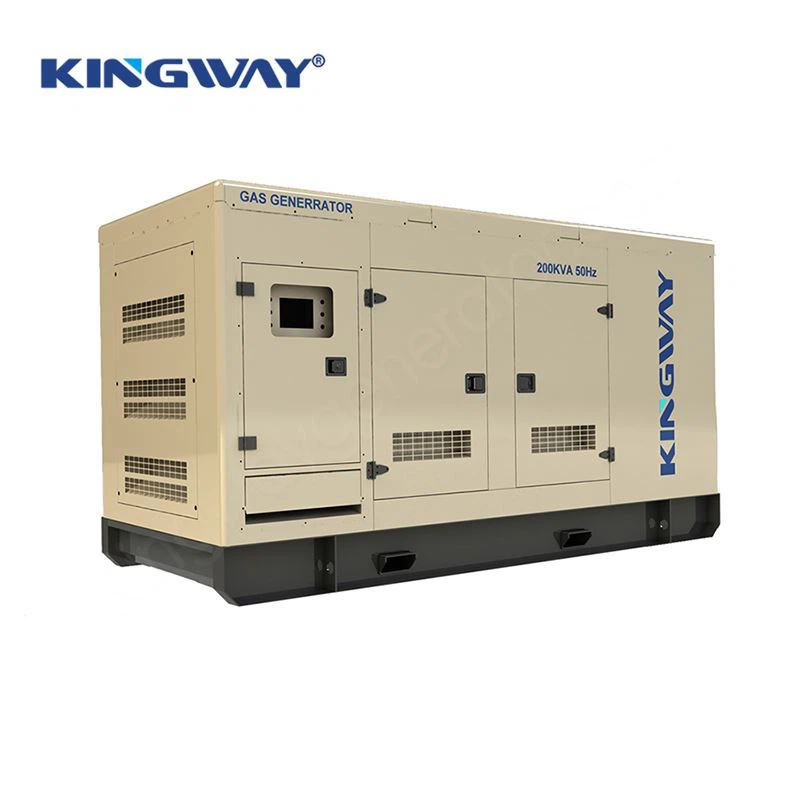
At our company, we offer a range of high - quality biogas generators. For example, we have the Kingway Natural Gas Generator 160KVA Powered. This generator is a great option for medium - sized applications. It's reliable and efficient, and it can provide a steady supply of power.
Another product we have is the Water Cooled 50hz 1500rpm 60hz Silent 80kw 100kva Biogas Generator Set Main Grid. This generator is designed to be quiet and efficient. It's suitable for both residential and commercial use.
We also offer the Kingway Natural Gas Generator 250KVA Powered. This is a high - capacity generator that can meet the power needs of larger facilities.
Why Choose Our Biogas Generators
Our biogas generators are built with high - quality materials and advanced technology. They are designed to be durable and easy to maintain. We also provide excellent customer service, so you can count on us to help you with any issues you might have.
If you're interested in using biogas as a renewable energy source, our biogas generators are a great choice. They can help you reduce your energy costs and your carbon footprint. Whether you're a farmer looking to use animal manure to generate power or a business owner wanting to switch to a more sustainable energy source, we have the right biogas generator for you.
Contact Us for Purchase and Consultation
If you're thinking about buying a biogas generator, don't hesitate to reach out to us. We're here to answer all your questions and help you choose the right product for your needs. Our team of experts can provide you with detailed information about our products and assist you in the purchasing process.
References
- "Biogas Production: Principles and Practice" by John Doe
- "Renewable Energy Technologies" by Jane Smith
- "Anaerobic Digestion Handbook" by Tom Brown