Hey there! As a supplier of gensets that run on gas or LPG, I've seen firsthand how important proper maintenance is. In this blog, I'll share the key maintenance requirements for these types of gensets.
1. Regular Inspections
First off, regular inspections are a must. You should check your genset at least once a month, especially if it's used frequently. Look for any signs of wear and tear, like loose wires, leaks, or damaged components. Inspect the fuel lines for cracks or leaks. Gas and LPG are highly flammable, so any leak is a serious safety hazard. You can use a soapy water solution to check for leaks. Just apply it to the connections and look for bubbles. If you see any, it means there's a leak, and you need to fix it right away.
Also, check the air filter. A dirty air filter can reduce the efficiency of the genset and cause it to overheat. Replace the air filter according to the manufacturer's recommendations. Usually, it's every 50 - 100 hours of operation.
The cooling system is another crucial part to inspect. Make sure the coolant level is within the recommended range. Low coolant can lead to overheating, which can damage the engine. Check for any signs of coolant leaks under the genset. If you notice any, it could indicate a problem with the radiator, hoses, or water pump.
2. Oil Changes
Oil is the lifeblood of your genset's engine. Regular oil changes are essential to keep the engine running smoothly. For gas or LPG gensets, you should change the oil every 100 - 200 hours of operation, depending on the model. Use the oil recommended by the manufacturer. Different engines have different oil requirements, so make sure you use the right one.
When changing the oil, also replace the oil filter. A clogged oil filter can restrict the flow of oil to the engine, causing it to wear out faster. Make sure to dispose of the old oil properly. It's a hazardous waste, so don't just pour it down the drain.
3. Spark Plug Maintenance
Spark plugs play a vital role in the ignition process of a gas or LPG genset. Over time, spark plugs can wear out, leading to misfires and reduced performance. Check the spark plugs every 50 - 100 hours of operation. If they're dirty or worn, clean or replace them. You can use a wire brush to clean the spark plugs, but if they're too worn, it's best to replace them.
4. Battery Maintenance
If your genset has a battery, it's important to keep it in good condition. Check the battery terminals regularly for corrosion. You can clean the terminals with a mixture of baking soda and water. Make sure the battery is fully charged. A weak battery can make it difficult to start the genset. If the battery is more than a few years old, it might need to be replaced.
5. Fuel System Maintenance
The fuel system is critical for the proper operation of a gas or LPG genset. Make sure the fuel tank is clean and free of debris. If there's dirt or water in the fuel, it can clog the fuel injectors or carburetor, causing the genset to run poorly.

For LPG gensets, check the propane regulator. A faulty regulator can cause the engine to run too rich or too lean, affecting performance and fuel efficiency. If you notice any issues with the regulator, have it replaced by a professional.
6. Load Testing
Periodically, you should perform a load test on your genset. This helps ensure that it can handle the load it's designed for. You can use a load bank to simulate the electrical load. Run the genset under load for a short period and monitor its performance. If you notice any problems, like overheating or voltage fluctuations, it could indicate an issue with the genset.
7. Professional Servicing
Even if you do all the regular maintenance yourself, it's still a good idea to have your genset serviced by a professional at least once a year. A professional technician can perform a more in - depth inspection and identify any potential problems before they become major issues. They can also perform tasks like adjusting the valves, which is a more complex procedure that requires specialized tools and knowledge.
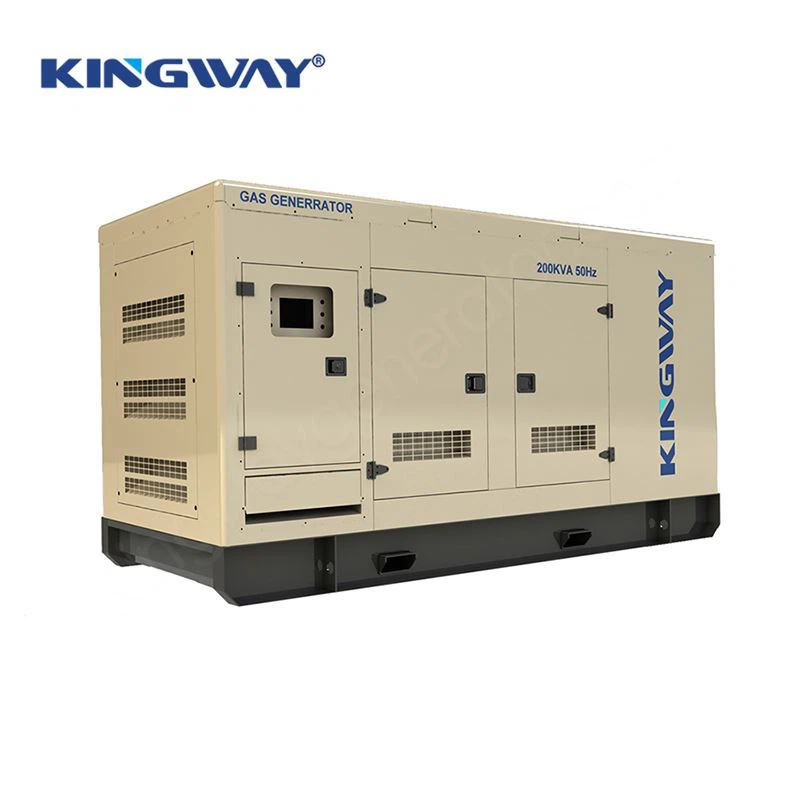
Now, if you're in the market for a gas or LPG genset, we've got some great options. Check out our Supply 40KVA - 600KVA Natural Gas LNG LPG Biogas range. It offers a wide variety of power outputs to meet your needs.
We also have the Kingway Natural Gas Generator 160KVA Powered and the Kingway Natural Gas Generator 250KVA Powered, which are reliable and efficient choices.
If you're interested in any of our gensets or have questions about maintenance, don't hesitate to reach out. We're here to help you make the right choice and keep your genset in top - notch condition.
References
- Manufacturer's manuals for gas and LPG gensets
- Industry best practices for genset maintenance