


Gas generator sets can be classified according to fuel, engine type, cooling method, etc.:
Classification by fuel
Natural gas generator set
The main component of natural gas is methane, which has the characteristics of cleanness, high efficiency, stable combustion, low impurity content, and less pollutants after combustion.
Biogas generator set
Biogas is a mixed gas produced by the fermentation of organic matter under anaerobic conditions. The main components are methane and carbon dioxide, and also contain a small amount of impurities such as hydrogen sulfide. The calorific value of biogas is relatively low, and the composition and calorific value will vary depending on the fermentation raw materials and conditions.
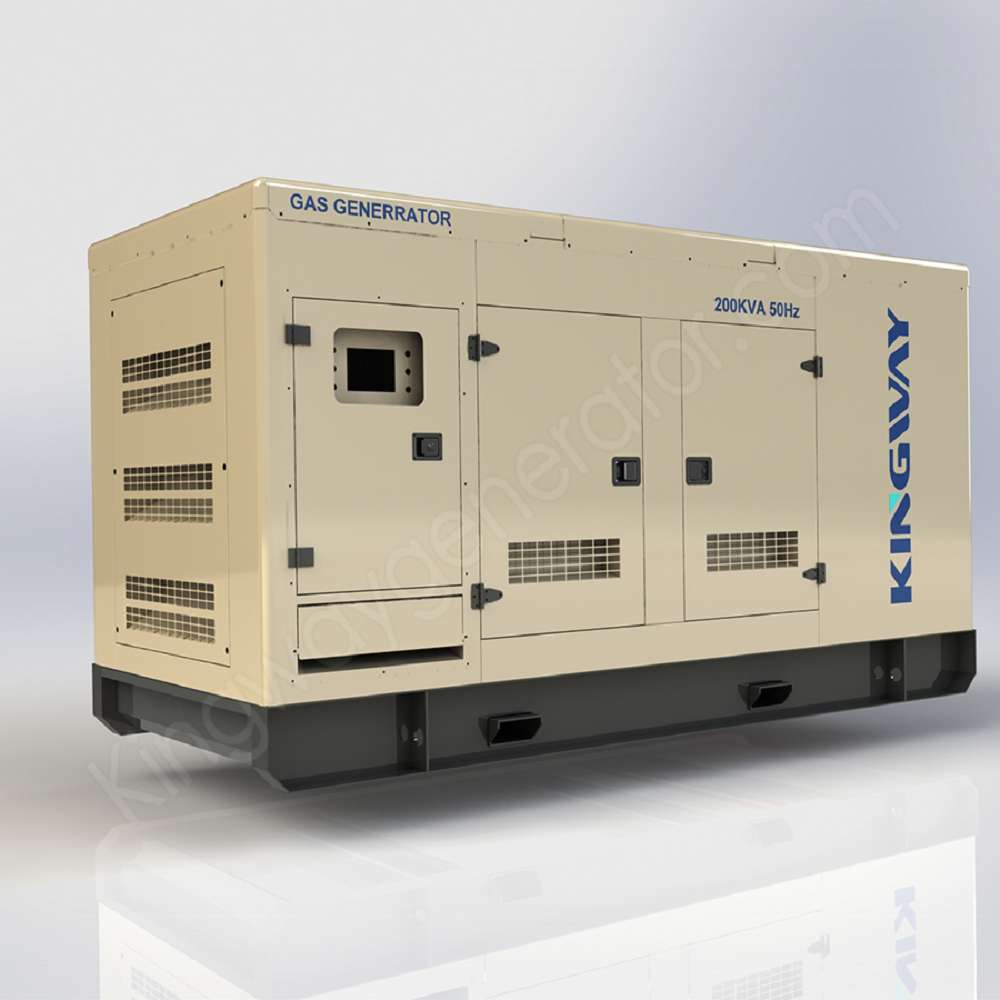
Coalbed methane generator set
Coalbed methane, also known as mashgas, is also the main component of methane, but its methane content and calorific value vary depending on the geological conditions of the coal seam and the mining method. Coalbed methane may contain a certain amount of inert gases such as nitrogen and carbon dioxide, which will affect the combustion performance.
Classification by engine type
Spark - ignition gas engines
Working principle: Similar to gasoline engines, the mixed gas is ignited by a spark plug. This type of engine has good adaptability to gas, can accurately control the ignition time and combustion process, has high combustion efficiency and runs smoothly. The power range is wide, ranging from small ones with a few kW to large ones with hundreds of kW or even higher.
Compression-ignition gas engines
Working principle: Drawing on the compression ignition principle of diesel engines, the piston is used to compress the gas-air mixture to raise its temperature to the auto-ignition point and ignite and burn. This type of engine has high thermal efficiency and good fuel economy, but has strict requirements on the quality of gas and compression ratio. The power range is generally dominated by medium and large power.
Classification by cooling method
Air-cooled gas generator set
Cooling principle: The fan forces air to flow to take away the heat generated by the engine and generator. The air-cooling system has a simple structure, which does not require an external water source, and is easy to maintain. It is suitable for water-scarce areas or places where the ambient temperature is not high.
Water-cooled gas generator set
Cooling principle: Use water as a cooling medium to take away heat through circulating water. The water cooling system has good heat dissipation effect, can more effectively control the temperature of the engine and generator, and ensure the stability and reliability of the unit under high load operation. It is suitable for various environmental conditions, but requires a reliable water supply.


