If you’ve ever faced a power outage that halted operations—whether for a construction site running 24/7, a telecom tower keeping critical signals alive, or an event that can’t afford a blackout—you know the relief a diesel generator brings. But what if one generator isn’t enough? Parallel power systems let you combine multiple units to handle heavier loads, improve reliability, or scale capacity as your needs grow. As a supplier of silent diesel generators, I’ve seen customers scratch their heads over how to do this safely and effectively. Today, I’ll break down how to parallel a silent diesel generator with other generators, share lessons from years in the industry, and point you to the specific products we offer that make this process smoother.
First, let’s clarify what “parallel operation” means. It’s connecting two or more generators so they share a single electrical load, rather than running them separately. When done right, this lets you match output exactly to your power demand, avoid overloading any single unit, and even shut down one for maintenance without losing power. But with great benefits come strict technical rules—skip these, and you could damage your generators, cause power outages, or even create a fire hazard. That’s why parallel setups aren’t a “plug-and-play” task; they require careful planning, matching equipment, and proper controls.
Step 1: Confirm Your Generators Are Compatible for Parallel Operation
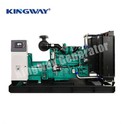
Not all generators can run in parallel, and silent diesel generators have unique specs that matter most. The first check is frequency and voltage: all units must output the same rated frequency (50Hz or 60Hz, depending on your region) and the same rated voltage. A 120V 60Hz generator won’t sync with a 230V 50Hz one—simple as that. Next, look at phase: if you’re running single-phase generators, their phases must be aligned, and three-phase units need matching phase rotation. This is where our experience helps: we design our super silent diesel generator set to have precise, consistent output parameters that make syncing easy for single or multiple units.
Beyond basic specs, engine and generator set characteristics matter. For silent diesel generators, the size of the engine’s governor (the part that controls speed) and the alternator’s winding design affect how well they share load. If one generator has a much higher power output than the others, it’ll end up carrying almost all the load, leaving the smaller ones idle or overworking. A general rule: parallel generators should be within 25% of each other’s kVA rating for best results. For example, if you’re using a 500kVA generator, pairing it with a 375kVA unit works, but mixing a 500kVA with a 150kVA one is risky.
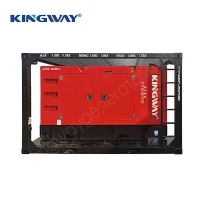
Another critical point: standby vs. prime generators. Standby generators are for emergency power (running 10-20 hours max) and prime units run continuously. You can parallel standby units, but they’re not designed for long-term shared loads. Our standard containerized silent diesel generator is built for both standby and prime use, with reinforced controls that support parallel operation for extended runs, making it ideal for construction sites or remote facilities that need steady power.
Step 2: Invest in a Parallel Control System
This is the backbone of a safe parallel setup. A parallel control panel (also called a synchronizer) matches the speed, voltage, and phase of each generator so they can share load smoothly. Without this, even if your generators have matching specs, they’ll try to fight each other—creating a “circulating current” that wastes fuel, overheats the alternators, or trips breakers.


Modern control systems do most of the work automatically. Some can sync units in seconds, adjust load distribution in real time, and even sequence start/stop operations (start smaller generators first, add larger ones as load grows, shut them down in reverse). For silent diesel generators, many compact units have built-in ports for adding a parallel kit, so you don’t have to replace the entire control panel. If you’re working with specialized setups, like our telecommunication silent diesel generator, we can provide a control kit calibrated for telecom’s sensitive power needs (no voltage spikes allowed).
A common mistake here is cutting corners on the control system. Cheap, outdated synchronizers might not handle the noise dampening features of silent generators. Our generators have specialized alternators that run quieter, and a mismatched control system could disrupt that, leading to unexpected noise leaks. That’s why we pair each product with control systems tested specifically for silent diesel applications—this detail separates reliable parallel setups from costly failures.
Step 3: Prepare the Power Distribution and Wiring
Wiring for parallel operation isn’t just running thick cables; it’s balancing load across all units. Each generator should have its own circuit breaker rated for the total output of the unit, and a main breaker for the entire parallel system. The cables must be the same length and gauge for every generator to ensure equal power sharing. If one cable is shorter or thinner, that generator will carry less load than it’s supposed to, leading to uneven wear.
Grounding is another non-negotiable. All generators in the parallel system must share a single grounding point to avoid electrical imbalances. For containerized units, this means connecting the container’s grounding bar to each generator’s ground terminal, then to the main site ground. We include detailed wiring diagrams with every silent diesel generator, including notes on parallel setups, so electricians don’t miss these steps. For containerized units, pre-wired parallel ports are available, simplifying installation.
Finally, check for harmonic distortion. Silent diesel generators often have alternators with low harmonic output (to reduce noise and improve efficiency), but when you parallel multiple units, harmonics can add up. If your load is sensitive (like medical equipment or telecom gear), you might need a harmonic filter. Our team often recommends adding these filters when setting up parallel systems for critical applications, to prevent equipment damage.
Step 4: Test the Parallel Operation Thoroughly
Even if everything looks right on paper, test the system before putting it into full use. Start by running each generator individually, check for consistent voltage and frequency, then gradually add them to the parallel system. Start with low load (20-30% of total kVA) and monitor parameters: load distribution per unit, circulating current, and any unusual noise or vibration.
Adjust load sharing if needed. Most modern controls do this automatically, but if one generator is carrying more load, tweak the governor setting slightly (only if you’re experienced—wrong adjustments can cause issues). For silent generators, listen closely during testing: parallel operation shouldn’t increase noise levels significantly. If you notice a loud hum or vibration, that could be a phase alignment issue or a loose connection. Our service team often visits client sites to run these tests, especially for large parallel setups, to catch problems before they cause downtime.
A real example: last year, a construction company in Texas tried parallel two silent generators on their own, using a generic control system. They didn’t account for the governor matching, so one generator carried 80% of the load, overheating its alternator. We sent our team to re-calibrate the controls, add a parallel kit designed for our super silent diesel generator set, and run a full load test. Within a week, their system was stable, and they’ve used it for two projects since with zero issues. That’s why testing is non-negotiable—small oversights turn into big headaches.
Step 5: Maintain the Parallel System Over Time
Parallel generators require more regular maintenance than single units, since each component works harder. Here’s what to focus on:
- Batteries: Parallel systems have multiple generator batteries, so check each one’s charge regularly. A dead battery can cause a generator to fail when you need to add load.
- Cooling: Silent generators use enclosed enclosures, so parallel operation can increase heat. Clean the radiator grilles every 3 months and check coolant levels monthly.
- Control panels: Update firmware on your synchronizer annually—manufacturers release updates to fix sync issues. We send free firmware updates to all clients who purchase our silent diesel generators, including those with parallel kits.
- Load tests: Every 6 months, run a full load test (100% of total parallel kVA) to ensure all units share load correctly. This prevents “idle drift,” where one generator starts carrying less load over time.
Our telecommunication silent diesel generator is designed with long maintenance intervals for parallel use, so telecom providers can run their systems for 12 months between services without interruptions. That’s a key benefit for businesses that rely on parallel power 24/7.
Why Our Silent Generators Are Built for Parallel Operation
When we design our silent diesel generators, we engineer them with parallel use in mind. The super silent diesel generator set has a compact enclosure that doesn’t require extra space for parallel components, making it easy to add units to existing setups. The standard containerized silent diesel generator comes pre-wired with parallel ports, cutting installation time by 30% compared to standard models. For telecom, our specialized units have voltage regulation that stays within ±1% even when running in parallel, ensuring sensitive network gear stays online.
Final Tips for Safe Parallel Operation
- Never mix brands or models: Even if specs match, different manufacturers build generators with different tolerance levels. Stick to the same brand and model for parallel units.
- Don’t ignore load dynamics: Parallel systems should handle sudden load changes (like turning on a large HVAC unit). Make sure your control system can respond in less than a second to avoid voltage drops.
- Have a backup plan: Parallel systems are reliable, but what if one unit fails? Keep a manual transfer switch so you can switch to single-unit operation quickly.
If you’re considering parallel silent diesel generators, we’re here to help. Our team works with you to assess your load, recommend the right products (including our super silent diesel generator set, standard containerized silent diesel generator, and telecommunication silent diesel generator), and guide you through installation and testing. Whether you’re a construction manager, telecom operator, or event planner, we’ll make sure your parallel power system works as safely and efficiently as possible. Don’t let power outages derail your plans—reach out to us to discuss your project needs today.
References
- International Electrotechnical Commission (IEC) Standard 60034-1: Rotating Electrical Machines - Rating and Performance
- U.S. Department of Energy, Office of Energy Efficiency & Renewable Energy: Distributed Parallel Power Systems for Commercial Applications
- National Electrical Manufacturers Association (NEMA) Standard MG 1-2020: Motors and Generators
- Diesel Technology Forum: Silent Diesel Generator Parallel Operation Best Practices