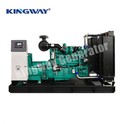
Hey there, folks! As a supplier of Standard Containerized Silent Diesel Generators, I often get asked about the difference between these bad boys and non-containerized ones. So, I thought I'd take a few minutes to break it down for you.
Let's start with the basics. A diesel generator, as you probably know, is a device that uses diesel fuel to generate electricity. It's a popular choice for backup power in a variety of settings, from homes and small businesses to large industrial facilities. But when it comes to choosing between a standard containerized silent diesel generator and a non-containerized one, there are a few key factors to consider.
Portability and Mobility
One of the biggest advantages of a standard containerized silent diesel generator is its portability. These generators are housed in a standard shipping container, which means they can be easily transported from one location to another using trucks, trains, or ships. This is especially useful for construction sites, events, and other temporary installations where power is needed on the go.
On the other hand, non-containerized generators are typically larger and heavier, making them more difficult to move. They often require specialized equipment and transportation, which can add to the cost and complexity of installation and relocation.
Noise Reduction
Another major benefit of a standard containerized silent diesel generator is its noise reduction capabilities. These generators are designed with soundproofing materials and advanced mufflers to minimize noise levels, making them ideal for use in residential areas, hospitals, schools, and other noise-sensitive environments.
In contrast, non-containerized generators can be quite noisy, especially when operating at full capacity. This can be a major drawback, especially if you're using the generator in a quiet neighborhood or a location where noise restrictions apply.


Protection from the Elements
Standard containerized silent diesel generators are also designed to provide protection from the elements. The container acts as a shield, protecting the generator from rain, snow, dust, and other environmental factors that can damage the equipment and reduce its lifespan.
Non-containerized generators, on the other hand, are more exposed to the elements and may require additional protection, such as a shelter or a cover. This can add to the cost and complexity of installation and maintenance.
Ease of Installation and Maintenance
Installing a standard containerized silent diesel generator is relatively easy and straightforward. The generator is pre-installed in the container, which means you don't have to worry about assembling the components or wiring the electrical system. All you need to do is connect the generator to the power source and the load, and you're good to go.
Maintenance is also easier with a standard containerized silent diesel generator. The container provides easy access to the generator's components, making it easier to perform routine maintenance tasks such as oil changes, filter replacements, and inspections.
In contrast, non-containerized generators can be more difficult to install and maintain. They often require professional installation and may require specialized tools and equipment for maintenance.
Cost
When it comes to cost, standard containerized silent diesel generators are generally more expensive than non-containerized ones. This is because they are designed with advanced features and components that provide greater portability, noise reduction, and protection from the elements.
However, it's important to consider the long-term cost savings when choosing a generator. A standard containerized silent diesel generator may require a higher upfront investment, but it can save you money in the long run by reducing maintenance costs, improving fuel efficiency, and providing reliable power.
Applications
Both standard containerized silent diesel generators and non-containerized ones are suitable for a variety of applications. However, the choice between the two will depend on your specific needs and requirements.
For example, if you need a generator for a temporary installation, such as a construction site or an event, a standard containerized silent diesel generator may be the best choice. Its portability and ease of installation make it ideal for use in these types of settings.
On the other hand, if you need a generator for a permanent installation, such as a home or a business, a non-containerized generator may be a more cost-effective option. These generators are typically larger and more powerful, making them suitable for providing backup power to larger loads.
Conclusion
In conclusion, the main difference between a standard containerized silent diesel generator and a non-containerized one lies in their portability, noise reduction capabilities, protection from the elements, ease of installation and maintenance, cost, and applications.
As a supplier of Standard Containerized Silent Diesel Generator, I believe that these generators offer a number of advantages over non-containerized ones. They are more portable, quieter, and better protected from the elements, making them ideal for a variety of applications.
If you're in the market for a diesel generator, I encourage you to consider a standard containerized silent diesel generator. It's a reliable, efficient, and cost-effective solution that can provide you with the power you need when you need it. And if you have any questions or need more information, don't hesitate to contact me. I'd be happy to help you find the right generator for your needs.
References
- "Diesel Generators: A Complete Guide." Power Equipment Guide, 2023.
- "Containerized Diesel Generators: Benefits and Applications." Generator Source, 2023.
- "Silent Diesel Generators: How They Work and Why You Need One." Energy.gov, 2023.