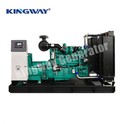
Hey there! As a supplier of Telecommunication Silent Diesel Generators, I'm stoked to share with you all about the electrical connection method of these bad boys.
First off, let's understand why the electrical connection of a telecommunication silent diesel generator is so crucial. In the world of telecommunications, a reliable power source is like the backbone. Any power outage can lead to significant disruptions in communication services, which can be a real headache for both service providers and end - users. That's where our Telecommunication Silent Diesel Generators come in, and getting the electrical connection right is key to ensuring seamless operation.
Types of Electrical Connections
There are mainly two types of electrical connections for these generators: parallel connection and single - unit connection.
Single - Unit Connection
This is the simplest form of connection. In a single - unit connection, the generator is directly connected to the load. It's like having a one - on - one relationship between the power source and the equipment that needs power. For small - scale telecommunication setups, like a single cell tower in a remote area, a single - unit connection can be a great choice.
The process is relatively straightforward. First, you need to make sure the generator is properly grounded. Grounding is like the safety net for your electrical system. It protects the equipment and the people around it from electrical shocks. You connect the grounding wire from the generator to a grounding rod that's buried deep in the ground.


Next, you connect the output terminals of the generator to the input terminals of the load. This could be a distribution panel that then distributes the power to different parts of the telecommunication equipment. Make sure to use the right gauge of cables. Using cables that are too thin can lead to overheating and power losses, while using cables that are too thick is just a waste of resources.
Parallel Connection
Parallel connection is used when you need more power. It's like having multiple power sources working together to meet the high - demand requirements of large - scale telecommunication systems. In a parallel connection, multiple generators are connected together to increase the overall power output.
To connect generators in parallel, you need to make sure they are in sync. This means that they have the same voltage, frequency, and phase. If they are not in sync, it can lead to power imbalances, which can damage the generators and the connected equipment.
There are specialized control systems that help in synchronizing the generators. These control systems monitor the electrical parameters of each generator and adjust them to ensure they are in sync. Once the generators are synchronized, they are connected to a common busbar. The busbar acts as a central point where the power from all the generators is combined and then distributed to the load.
Factors to Consider in Electrical Connection
Voltage Compatibility
It's super important to ensure that the voltage of the generator matches the voltage requirements of the telecommunication equipment. If the voltage is too high, it can damage the sensitive electronic components of the equipment. On the other hand, if the voltage is too low, the equipment may not function properly.
Frequency Stability
The frequency of the power output from the generator should also be stable. In most cases, the standard frequency is 50Hz or 60Hz. Any fluctuations in the frequency can cause problems for the telecommunication equipment, especially for devices that rely on precise timing, like data servers.
Protection Devices
Installing protection devices is a must. Circuit breakers and fuses are like the guardians of your electrical system. They protect the generator and the connected equipment from overcurrent, short - circuits, and other electrical faults. If there is an electrical fault, these devices will automatically cut off the power to prevent damage.
Our Product Range
At our company, we offer a wide range of telecommunication silent diesel generators. We have the Super Silent Diesel Generator Set, which is known for its low noise level and high - efficiency performance. This generator is perfect for telecommunication setups where noise pollution is a concern.
Our Telecommunication Silent Diesel Generator is specifically designed to meet the unique power requirements of the telecommunications industry. It comes with advanced control systems that ensure stable power output and easy integration with existing telecommunication networks.
We also have the Standard Containerized Silent Diesel Generator. This generator is housed in a container, which provides protection from the elements and makes it easy to transport and install.
Contact Us for Purchase and Consultation
If you're in the market for a telecommunication silent diesel generator, we'd love to hear from you. Whether you need a single - unit generator for a small project or a parallel - connected system for a large - scale telecommunication network, we have the expertise and the products to meet your needs.
We can provide you with detailed technical specifications, pricing information, and installation guidance. Our team of experts is always ready to answer your questions and help you make the right choice. So, don't hesitate to reach out to us for a purchase or just to have a chat about your power requirements.
References
- Electrical Engineering Handbook, McGraw - Hill
- Diesel Generator Operation and Maintenance Manuals