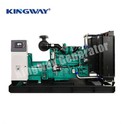
If you’ve ever walked through a food processing plant, you know how critical consistent, reliable power is—without it, production lines freeze, refrigeration units fail, and perishable goods risk spoilage. For plant managers facing frequent grid outages or needing backup power to keep operations running during maintenance, the question often comes up: can a genset diesel generator be safely and effectively used in food processing facilities? As a supplier of high-quality diesel generator sets, I’ve worked with dozens of food processing operators to answer this exact question, and the short answer is yes—when selected, installed, and maintained correctly, a genset can be a game-changer for food processing operations. Today, I’ll break down why diesel gensets make sense for this industry, the key considerations to get right, and the types of gensets that work best for food processing plants.
First, let’s talk about the unique power needs of food processing plants, because that’s where the answer starts. These facilities don’t just need basic electricity—their power requirements are specific and non-negotiable. Take a dairy processing plant, for example: it has large refrigeration compressors, pasteurization equipment, and conveyor systems that need continuous power to avoid downtime that could lead to thousands of dollars in lost product. A grain processing plant might rely on drying systems that require stable voltage to prevent crop damage, while a packaged food plant needs power for sealing equipment that can’t be interrupted mid-seal, as that would ruin batches of product. Grid outages are common in many rural areas, where most food processing plants are located, and even short outages (just a few minutes) can result in spoilage, wasted ingredients, and missed delivery deadlines. That’s where a genset diesel generator steps in—it’s not just a backup, it’s a primary power source for many plants that can’t afford to rely on the grid alone.
But why diesel specifically, and not other types of gensets like natural gas or propane? For food processing plants, diesel has several key advantages that matter. First, diesel fuel has a long shelf life—when stored properly, it can stay usable for up to 12 months, compared to just 3 months for many other fuel types. That’s a big deal for plants in remote areas where fuel deliveries might be delayed, or for facilities that want to stockpile fuel ahead of hurricane season or other events that could disrupt supply chains. Second, diesel gensets have higher power density, meaning they can deliver more power in a smaller footprint, which is valuable for food plants that often have limited space for backup equipment. They also have lower operating costs over time, especially for high-load applications, which is a major consideration for processing plants that run their gensets for extended periods, not just during outages.
Of course, there are valid concerns about using diesel gensets in food processing environments, and those can’t be ignored. The two biggest worries are emissions and noise, both of which could impact plant operations, staff, and even local regulations. Food plants often operate near residential areas, so noise is a top concern—excessive noise can lead to complaints from neighbors, or even fines from local authorities. Emissions are another big one: diesel exhaust contains nitrogen oxides, particulate matter, and other pollutants that need to be controlled to meet environmental standards, especially in areas with strict air quality rules. Also, there’s the risk of fuel spills, which could contaminate food or water sources—critical in an industry where sanitation is non-negotiable.
The good news is that modern genset diesel generators are designed to address these concerns, making them safe and compliant for food processing plants. Let’s talk about noise first. If you’ve ever been around a traditional diesel genset, you know how loud they can be—some models hit 100 decibels or more, which is as loud as a chainsaw. But today’s silent diesel genset sets are engineered to drastically reduce noise levels, often to 60-70 decibels, which is about the volume of normal conversation. For food processing plants that operate near residential areas or have on-site offices where staff work, this is a game-changer. Our Super Silent Diesel Generator Set, for example, is built with sound-dampening materials, insulated enclosures, and advanced exhaust systems that keep noise levels low enough to avoid community complaints and comply with local noise ordinances. That’s a perfect fit for food plants that need reliable power without disrupting neighbors or their own staff.
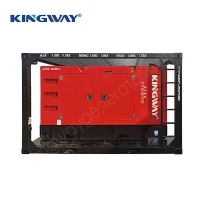
Emissions are another area where modern gensets have come a long way. Today’s diesel gensets for commercial use are equipped with advanced emissions control technologies: diesel particulate filters (DPFs) that trap harmful soot, selective catalytic reduction (SCR) systems that reduce nitrogen oxide emissions, and diesel oxidation catalysts (DOCs) that cut down on other pollutants. These systems ensure that the genset meets strict environmental standards, like EPA Tier 4 Final in the U.S. or EU Stage V in Europe, so food plants don’t have to worry about fines or environmental penalties. For plants that need even more containment, we also offer Standard Containerized Silent Diesel Generator units, which are fully enclosed in weatherproof, sound-dampening containers that not only reduce noise but also contain any potential fuel vapors or spills, adding an extra layer of safety for food processing environments. The container design also means the genset is weatherproof, so it can be installed outdoors without worrying about rain, dust, or temperature fluctuations—important for facilities in harsh climates.
Another key consideration for food processing plants is power quality. Unlike residential areas, where small voltage fluctuations might not cause major issues, food processing equipment is highly sensitive to inconsistent voltage or frequency. A surge in power can damage expensive machinery like pasteurizers or filling lines, while a drop in voltage can cause motors to overheat or shut down mid-cycle. That’s why it’s critical to choose a genset with a reliable automatic transfer switch (ATS) that can switch the load from the grid to the genset in less than 10 seconds—fast enough to avoid downtime. Modern diesel gensets also have advanced voltage regulation systems that provide stable, consistent power, even when running under full load, which protects sensitive food processing equipment. I’ve seen plants that tried to use smaller, cheaper gensets and ended up with thousands of dollars in equipment damage after power fluctuations ruined batches. Investing in a high-quality genset is an investment in protecting your assets and your product.
Now, let’s talk about specific use cases for food processing plants to make this more concrete. For example, a mid-sized fruit and vegetable processing plant that operates 24/7 during harvest season needs a genset that can keep refrigerated storage units running and power sorting and packaging lines. A 500-750 kW genset would be ideal here, and a silent model would be perfect if the plant is located near a small town. For a larger plant that also uses steam for cooking or pasteurization, you might need a genset with higher capacity, maybe 1-2 MW, and a containerized model that can be installed near the boiler area without taking up valuable indoor space. Even smaller food operations, like a specialty bakery or a craft brewery, can benefit from a genset to keep refrigeration for ingredients running during the night, when grid outages are common in many areas.
One question I often get is: can genset diesel generators be used as a primary power source, or just backup? The answer is yes, many food processing plants use their diesel gensets as the primary power source, especially in areas where grid reliability is low. I’ve worked with a grain processing plant in the Midwest that used to experience 10-15 grid outages a year, each lasting 2-8 hours, leading to spoiled grain and lost revenue. They switched to using a 1 MW containerized genset as their primary power source, now only connecting to the grid during peak demand periods to lower their energy bills. That’s a huge benefit—running your genset as primary power can also help you take advantage of time-of-use grid pricing, meaning you can run the genset during peak grid hours when electricity is expensive, and switch to the grid during off-peak hours when rates are lower.
Of course, there are best practices to follow to ensure a genset works safely in a food processing environment. First, proper installation is key. The genset should be installed by a qualified technician who understands both genset systems and food plant sanitation requirements. The area around the genset should be designed to prevent any fuel spills from coming into contact with food products or water supplies—many plants use secondary containment systems, like spill pallets or sealed concrete pads, under the genset. Regular maintenance is also non-negotiable: diesel gensets need routine oil changes, filter replacements, and inspections to keep them running reliably, especially when they’re used frequently. It’s also important to have a plan for fuel storage—diesel tanks should be located away from food processing areas, and should be properly vented and grounded to prevent the risk of fire or explosion.
Another thing to consider is compliance with food safety standards. Food processing plants are subject to strict regulations like FDA Food Safety Modernization Act (FSMA) in the U.S., which requires facilities to have plans in place to prevent contamination. A well-maintained diesel genset, with proper fuel containment and emissions controls, doesn’t pose a contamination risk if installed correctly. In fact, having a reliable power source is part of many food safety plans, because it prevents spoilage that can lead to foodborne illness outbreaks. I’ve had plant managers tell me that their genset is a core part of their FSMA compliance documentation, because it ensures that critical control points (like refrigeration) stay within safe limits, even during power outages.
What about specialized food processing sectors? For example, companies that work with perishable medical foods, or produce that requires strict temperature control, need even more reliable power. For those, our Telecommunication Silent Diesel Generator is a great option—wait, no, wait, that’s for telecom, but the silent design translates. No, actually, for specialized sectors, we work with clients to custom-design gensets with features like parallel operation, where multiple gensets can work together to provide more power, so if one needs maintenance, the others can pick up the load. That’s perfect for plants that can’t afford any downtime at all.
Now, let’s address the common misconception that diesel gensets are bad for the environment. Yes, older models were, but modern gensets meet strict emissions standards, and many plants now use biodiesel as a fuel source, which reduces carbon emissions by up to 80% compared to traditional diesel. That makes diesel gensets a much more sustainable option than they used to be, which matters for food processing companies that are working to reduce their environmental footprint.
At the end of the day, the key takeaway is that genset diesel generators are not only suitable for food processing plants—they’re often a necessary investment for operations that can’t afford downtime, spoilage, or grid outages. The right genset, selected based on your plant’s power needs, noise and emissions requirements, and operating hours, will provide reliable, safe power that protects your products, your equipment, and your bottom line.


If you’re a food processing plant manager considering a genset, don’t hesitate to reach out to discuss your specific needs. We can help you choose the right model, whether it’s a super silent unit for a plant near a residential area, a containerized model for outdoor installation, or a custom solution for high-load, 24/7 operations. Our team has worked with dozens of food processing facilities, and we understand the unique challenges your industry faces. Contact us today to learn more about how a genset diesel generator can power your plant reliably for years to come.
References:
- U.S. Environmental Protection Agency. (2022). Heavy-Duty Diesel Engine and Generator Emission Standards. Retrieved from EPA.gov
- Food and Drug Administration. (2021). FSMA Preventive Controls for Human Food: Final Rule. Retrieved from FDA.gov
- National Food Processors Association. (2020). Power Reliability in Food Manufacturing: Best Practices for Backup Power Systems. Retrieved from NFPA.org
- International Organization for Standardization. (2019). ISO 8528: Reciprocating Internal Combustion Engines Driven Alternating Current Generating Sets. Retrieved from ISO.org