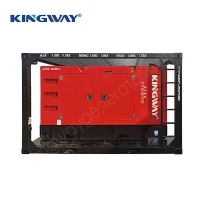
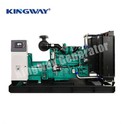
As a supplier specializing in explosion proof diesel generators, I’ve spent years walking clients through the critical question: “What safety certifications do these units actually need?” When you’re operating in environments like oil refineries, chemical processing plants, mining sites, or grain storage facilities—where flammable gases, vapors, or dust are present even occasionally—cutting corners on certification isn’t just a mistake; it’s a safety risk that can endanger lives, shut down operations, and lead to costly fines.
Explosion proof generators aren’t one-size-fits-all. The right certification depends on two key factors: the hazardous zone classification of your worksite and the specific regulations governing your industry. In this post, I’ll break down the most essential safety certifications for explosion proof diesel generators, explain why each matters, and point you to some of our most popular certified models to suit different power needs.
Understanding Hazardous Zones: The Foundation of Certification
Before diving into specific certifications, it helps to grasp what hazardous zones mean. Regulatory bodies divide areas where flammable substances exist into zones based on how likely those substances are to be present:
- Zone 0: An area where flammable gases, vapors, or combustible dust are present continuously or for long periods. Generators are almost never rated for Zone 0, as the level of risk is extreme.
- Zone 1: An area where flammable substances are likely to be present during normal operation. This is common in areas near process equipment that handles volatile materials.
- Zone 2: An area where flammable substances are not present under normal operation, and only would be present if there’s a fault or unusual event. This is the most common zone for backup power generators, as it’s typical for peripheral areas of plants or temporary worksites.
For most of our clients, Zone 2 is the sweet spot. Our 150KVA Zone 2 Ex-proof Diesel Generator is a go-to for small-to-mid worksites, while the 400KVA Zone 2 Ex-proof Diesel Generator handles larger facilities. But regardless of the model, certification is non-negotiable.
ATEX Certification: The European Standard for Hazardous Areas
If your operations are in the European Economic Area (EEA), ATEX certification is the gold standard you’ll need. Short for “Atmosphères Explosibles,” ATEX covers equipment and protective systems intended for use in potentially explosive atmospheres. It splits into two main directives:
- ATEX 95 (Equipment Directive 94/9/EC): This applies to the generator itself, ensuring it is designed and manufactured to prevent ignition of surrounding flammable substances. For explosion proof generators, ATEX 95 requires features like flameproof enclosures, spark arrestors, and temperature limiting to avoid exceeding the auto-ignition point of nearby gases.
- ATEX 137 (Workplace Directive 99/92/EC): This focuses on workplace safety, including training, risk assessment, and proper installation of certified equipment. While the directive applies to your site, your generator must meet ATEX 95 to be used in an ATEX-compliant Zone 2 area.
Many of our models carry ATEX certification, including the 150KVA ATEX Ex-proof Zone 2 Generator and our 600KVA range. What’s important to note about ATEX is that it’s not just a label—certification requires rigorous testing by a Notified Body (a third-party organization accredited by the EEA) to ensure every component meets strict ignition prevention standards. For example, a Zone 2 ATEX-certified generator can’t produce sparks on electrical connections, and its exhaust system must include a spark trap to prevent embers from igniting nearby vapors.
IECEx Certification: The Global Benchmark
For clients operating outside the EEA, especially in Asia, Australia, or the Americas, IECEx certification is critical. The International Electrotechnical Commission System for Certification to Standards for Equipment in Explosive Atmospheres (IECEx) is a global scheme that ensures consistent safety standards across 30+ countries. Unlike ATEX, which is region-specific, IECEx certification is mutually recognized by member nations, so your generator will be approved for use in multiple hazardous locations without re-testing.
IECEx covers the same core safety requirements as ATEX but aligns with international standards like IEC 60079 (for electrical equipment in explosive atmospheres). Key testing includes verifying that the generator’s enclosures can withstand internal explosions (if a small ignition occurs) without spreading the flame outside, and that surface temperatures are kept below the ignition threshold of the flammable substances in the area. For our larger clients needing high power, the 1000KVA Zone 2 Ex-proof Diesel Generator is often chosen, and it can be certified to both ATEX and IECEx for maximum versatility.
NEC Certification: The North American Standard
If you’re working in the United States or Canada, National Electrical Code (NEC) certification is mandatory for explosion proof equipment. The NEC, published by the National Fire Protection Association (NFPA), sets rules for electrical installations, including those in hazardous (classified) locations. For diesel generators used in Zone 1 or Zone 2 areas (called Class I, Division 1 or 2 in NEC terminology), the key requirements include:
- Explosion proof enclosures: These are designed to contain any internal arc or explosion and prevent ignition of the surrounding atmosphere. Unlike ATEX, NEC refers to this as “Division 2” for areas where flammable materials are only present in abnormal conditions.
- Spark prevention: All electrical components, including alternators, wiring, and control panels, must be designed to avoid generating sparks or excessive heat.
- Grounding and bonding: Proper grounding is critical to prevent static electricity buildup, which can ignite flammable substances.
It’s worth noting that in the U.S., some states also adopt additional standards from OSHA (Occupational Safety and Health Administration), so your generator must meet both NEC and OSHA requirements to be used legally.
Other Important Certifications to Consider
Beyond the major regional standards, there are a few additional certifications that can add value and ensure your generator is reliable in explosive environments:
- CSA Certification: For Canadian operations, CSA (Canadian Standards Association) certification confirms compliance with Canadian electrical and safety standards, aligning with NEC requirements for cross-border use.
- API Certification: If you’re in the oil and gas industry, American Petroleum Institute (API) certification adds a layer of industry-specific validation, ensuring the generator meets the rigorous demands of upstream, midstream, and downstream operations.
- ISO 9001: While not an explosion-specific safety certification, ISO 9001 certification ensures the manufacturer follows consistent quality control processes, so you can trust that every generator is built to the same high standards.
Common Mistakes to Avoid When Choosing Certified Generators
Over the years, I’ve seen clients make a few common errors when selecting explosion proof diesel generators. Here’s what to watch out for:
- Choosing the wrong zone rating: A generator certified for Zone 1 is not the same as one for Zone 2. If you use a Zone 1 unit in a Zone 2 area, it may be overkill and more expensive, but using a Zone 2 unit in a Zone 1 area is a major safety risk. Always confirm your worksite’s zone classification before buying.
- Ignoring dual certification needs: If you operate across regions with different standards, a unit with both ATEX and IECEx certification will save you from needing to re-certify equipment later. Our 600KVA ATEX Certified Zone 2 Explosion Proof Diesel Generator Set is designed with dual compliance in mind, making it perfect for multinational operations.
- Assuming “explosion proof” is a one-size label: Not all explosion proof generators are created equal. Some may only meet basic requirements, while others undergo rigorous third-party testing. Always ask for proof of certification, including the Notified Body or testing laboratory involved.
How Our Certified Generators Fit Your Needs
Whether you need a compact unit for a small mining site or a high-power generator for a large chemical plant, our range has you covered. Our 150KVA Zone 2 Ex-proof Diesel Generator is ideal for temporary worksites or backup power in small facilities, while the 400KVA Zone 2 Ex-proof Diesel Generator offers more power for mid-sized operations. For large-scale plants, the 1000KVA Zone 2 Ex-proof Diesel Generator delivers reliable, explosion proof power when you need it most.
All our models undergo strict testing to meet ATEX, IECEx, and NEC requirements, so you can be confident your generator is safe for your hazardous worksite.
Get in Touch to Find the Right Generator for You
Choosing the right explosion proof diesel generator isn’t just about meeting regulations—it’s about protecting your team and your operations. If you’re unsure which certification or model is right for your site, our team is here to help. We can walk you through your worksite’s zone classification, explain the certification requirements for your region, and match you with the perfect generator for your power needs. Whether you’re looking for a 150KVA, 400KVA, or 1000KVA unit, we have a solution that’s safe, reliable, and compliant with global standards. Reach out to our team today to start the procurement process.


References
- International Electrotechnical Commission. (2020). IEC 60079: Electrical apparatus for explosive gas atmospheres. Geneva, Switzerland: IEC.
- European Commission. (1994). Directive 94/9/EC of the European Parliament and of the Council on the approximation of the laws of Member States concerning equipment and protective systems intended for use in potentially explosive atmospheres. Brussels, Belgium: European Commission.
- National Fire Protection Association. (2023). NFPA 70: National Electrical Code. Quincy, MA: NFPA.
- Occupational Safety and Health Administration. (2022). Hazardous (Classified) Locations: 29 CFR 1910.307. Washington, DC: OSHA.
- American Petroleum Institute. (2021). API Standard 541: Electrical equipment for use in Class I, Division 1 and Division 2 locations in petroleum facilities. Washington, DC: API.