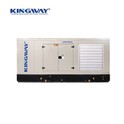
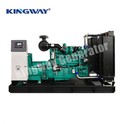
Yes, an LPG (liquefied petroleum gas) generator set can be paralleled with other generators, but it involves several technical considerations and requirements. As a supplier of LPG generator sets, I'll delve into the details of this process, including the feasibility, technical requirements, benefits, and potential challenges of paralleling LPG generator sets with other types of generators.
Feasibility of Paralleling LPG Generator Sets
The feasibility of paralleling an LPG generator set with other generators primarily depends on the compatibility of the generators in terms of electrical parameters, control systems, and mechanical characteristics. Generally, generators that can be paralleled must have similar voltage, frequency, phase sequence, and waveform.
LPG generator sets, like other types of generators (such as diesel, natural gas, or gasoline generators), can be designed to meet the necessary electrical specifications for parallel operation. However, it's crucial to ensure that all generators involved in the parallel operation have been properly configured and synchronized to avoid issues such as circulating currents, voltage instability, and power quality problems.
Technical Requirements for Paralleling
Electrical Synchronization
- Voltage Matching: All generators in parallel must have the same output voltage. This can usually be adjusted through the generator's voltage regulator. For example, if one generator is set to output 400V, all other generators in the parallel system must also be adjusted to output 400V.
- Frequency Matching: The frequency of all generators must be closely matched, typically within a tolerance of ±0.5Hz. This is usually achieved through the generator's governor, which controls the engine speed to maintain a constant frequency. For a 50Hz power system, all generators must operate at a frequency close to 50Hz.
- Phase Sequence Matching: The phase sequence of all generators must be the same. This ensures that the voltage waveforms of all generators are in phase, preventing large circulating currents and power imbalances. Phase sequence can be verified using a phase sequence meter.
Control Systems
- Synchronization Equipment: Specialized synchronization equipment is required to ensure that the generators are properly synchronized before being connected in parallel. This equipment monitors the voltage, frequency, and phase angle of the generators and provides a signal to close the circuit breakers when the conditions for parallel operation are met.
- Load Sharing: Once the generators are connected in parallel, a load-sharing control system is necessary to ensure that the electrical load is evenly distributed among the generators. This system adjusts the fuel supply and engine speed of each generator to maintain a balanced load and prevent overloading of any single generator.
Mechanical Considerations
- Engine Characteristics: The engines of all generators in parallel should have similar characteristics, such as speed regulation and power response. This ensures that the generators can work together effectively and respond to changes in load in a coordinated manner.
- Cooling and Exhaust Systems: Adequate cooling and exhaust systems are necessary to prevent overheating and ensure the proper operation of all generators in the parallel system.
Benefits of Paralleling LPG Generator Sets
Increased Power Capacity
By paralleling multiple LPG generator sets, the total power capacity of the system can be increased to meet the higher electrical load requirements. This is particularly useful in applications where a single generator may not be able to provide sufficient power, such as large industrial facilities or construction sites.


Flexibility and Redundancy
Paralleling generators provides flexibility in terms of power management. Generators can be added or removed from the parallel system as needed to match the changing load requirements. Additionally, having multiple generators in parallel provides redundancy, which means that if one generator fails, the other generators can continue to supply power, reducing the risk of power outages.
Cost Savings
In some cases, paralleling generators can be more cost-effective than using a single large generator. Smaller generators are generally less expensive to purchase and maintain, and by paralleling them, you can achieve the same or higher power capacity at a lower cost.
Potential Challenges and Solutions
Compatibility Issues
As mentioned earlier, compatibility issues can arise when paralleling different types of generators. To overcome these issues, it's important to work with a qualified electrical engineer or generator manufacturer who can ensure that all generators are properly configured and synchronized.
Maintenance and Monitoring
Paralleling generators requires more complex maintenance and monitoring compared to using a single generator. Regular inspections and maintenance of the generators, control systems, and synchronization equipment are necessary to ensure the reliable operation of the parallel system. Additionally, continuous monitoring of the electrical parameters and performance of the generators is essential to detect and address any potential issues in a timely manner.
Safety Considerations
Paralleling generators involves working with high-voltage electrical systems, which can be dangerous if not properly installed and maintained. It's crucial to follow all safety regulations and guidelines when installing and operating a parallel generator system, and to provide appropriate training to the personnel involved.
Our Offerings
As a leading supplier of LPG generator sets, we offer a wide range of products that are suitable for parallel operation. Our Kingway Natural Gas Generator 250KVA Powered and 160KW Natural Gas Generator are designed to meet the highest standards of quality and performance, and can be easily integrated into a parallel generator system.
We also provide Supply 40KVA - 600KVA Natural Gas LNG LPG Biogas generator sets, which offer a flexible and cost-effective solution for various power generation needs. Our experienced technical team can assist you in selecting the right generators for your application, and provide professional installation, commissioning, and after-sales support services.
Conclusion
In conclusion, an LPG generator set can be paralleled with other generators, provided that the necessary technical requirements are met. Paralleling generators offers several benefits, including increased power capacity, flexibility, redundancy, and cost savings. However, it also presents some challenges, such as compatibility issues, maintenance and monitoring requirements, and safety considerations.
If you're interested in paralleling LPG generator sets or have any questions about our products and services, please feel free to contact us for further discussion and procurement negotiation. We're committed to providing you with the best solutions for your power generation needs.
References
- "Electrical Power Generation, Transmission, and Distribution" by Ali Abur and Mehmet E. Ün, CRC Press.
- "Generator Handbook: Selection, Application, and Maintenance" by Thomas H. Martin, McGraw-Hill Education.