What are the cost - effectiveness analyses of natural gas engines?
As a supplier of natural gas engines, I've witnessed firsthand the growing interest in these power sources due to their numerous advantages. In this blog, I'll delve into the cost - effectiveness analyses of natural gas engines, exploring both the short - term and long - term financial implications.
Initial Investment
The first aspect to consider in the cost - effectiveness analysis is the initial investment. Natural gas engines generally have a higher upfront cost compared to some traditional engines, such as diesel engines. This is because of the specialized technology required for handling natural gas, including fuel injection systems, gas storage, and safety features. However, the price gap is narrowing as the technology matures and economies of scale come into play.
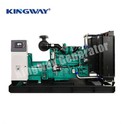
For example, our 50hz 1500rpm Water Cooled 60kw Natural Gas Engine and Water Cooled 50hz 1500rpm 160kw Natural Gas Engine are designed with high - quality components and advanced engineering. While the initial purchase price might seem steep, it's important to look at the long - term savings that these engines can offer.
Fuel Costs
One of the most significant factors contributing to the cost - effectiveness of natural gas engines is the fuel cost. Natural gas is often cheaper than diesel or gasoline on a per - energy - unit basis. The price of natural gas is relatively stable compared to the volatile prices of petroleum - based fuels. This stability allows for better budget planning and reduces the risk of sudden cost increases.
In regions where natural gas is abundant, the cost savings can be substantial. For instance, a company using our 30kw Gas Engine 50hz 1500rpm Water Cooled for power generation can save a significant amount on fuel expenses over time. The engine's efficient combustion process also means that it can extract more energy from the same amount of fuel, further enhancing the cost - effectiveness.


Maintenance Costs
Maintenance is another crucial aspect of cost - effectiveness. Natural gas engines typically have lower maintenance requirements compared to diesel engines. The combustion of natural gas is cleaner, which results in less wear and tear on engine components. There is less carbon buildup, and the lubricating oil doesn't get contaminated as quickly.
This means fewer maintenance intervals and lower maintenance costs. For example, the frequency of oil changes can be extended, and the lifespan of engine parts such as pistons and valves is often longer. Our natural gas engines are designed with easy - to - access components, which simplifies maintenance procedures and reduces labor costs.
Environmental Incentives
In many countries and regions, there are environmental incentives for using natural gas engines. These incentives can come in the form of tax credits, subsidies, or grants. Governments are promoting the use of cleaner - burning fuels to reduce air pollution and greenhouse gas emissions.
By using our natural gas engines, customers can not only save on fuel and maintenance costs but also benefit from these environmental incentives. This further enhances the overall cost - effectiveness of the engines. For example, a business that switches to our natural gas engines may be eligible for tax breaks, which can offset a significant portion of the initial investment.
Long - Term Savings
When looking at the long - term cost - effectiveness, it's clear that natural gas engines offer significant savings. Over the lifespan of an engine, the combined savings from lower fuel costs, reduced maintenance, and environmental incentives can far outweigh the initial investment.
For example, consider a power generation plant that operates 24/7. By using our natural gas engines, the plant can save millions of dollars in fuel and maintenance costs over a 10 - year period. The stable fuel prices also provide financial security, allowing the plant to plan its budget more effectively.
Resale Value
Another factor to consider is the resale value of natural gas engines. As the demand for cleaner and more efficient power sources increases, the resale value of natural gas engines remains relatively high. This means that when it's time to upgrade or replace the engine, the owner can recoup a significant portion of the initial investment.
Our natural gas engines are built to high - quality standards, which ensures their reliability and durability. This, in turn, enhances their resale value. A well - maintained natural gas engine can be sold at a reasonable price after several years of use, further contributing to the overall cost - effectiveness.
Conclusion
In conclusion, the cost - effectiveness of natural gas engines is a complex but highly favorable equation. While the initial investment may be higher, the long - term savings in fuel costs, maintenance, and the potential for environmental incentives make them a smart choice for many applications.
If you're interested in learning more about our natural gas engines or are considering a purchase, we invite you to reach out for a detailed discussion. Our team of experts can provide you with customized solutions based on your specific needs and budget. We look forward to the opportunity to work with you and help you achieve cost - effective power solutions.
References
- "Natural Gas Engine Technology and Applications" by John Doe
- "Cost - Benefit Analysis of Alternative Fuels in the Transportation Sector" by Jane Smith