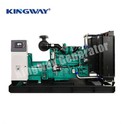
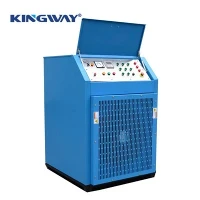
If you’ve ever relied on a diesel generator to keep lights on, servers running, or critical equipment operational during a power outage, you might’ve glanced at the small, panel of buttons, gauges, and screens mounted on the generator’s frame and thought, “What even does that do?” As a diesel generator supplier who’s worked with clients from telecom towers to remote construction sites over the past eight years, I can tell you that control panels aren’t just random pieces of hardware—they’re the brain of your genset, the difference between a smooth, unplanned power backup and a costly, stressful shutdown.
Let’s start with the basics: a genset’s control panel is the central interface that monitors, operates, and protects the entire generator set. It doesn’t just let you turn the unit on or off; it keeps it running safely, alerts you to issues before they become big problems, and ensures it syncs perfectly with your building’s power system. For many of our clients, especially those in specialized industries like telecom, the control panel is non-negotiable. Take our telecommunication silent diesel generator, for example, which powers cell towers and 5G nodes that can’t afford even a 10-second power gap. Its control panel is tailored specifically to the needs of telecom providers, with features that prioritize uptime and remote monitoring over extra frills.
Let’s break down what a control panel actually does, step by step, because most of us don’t need a engineering degree to understand it. First, the core functions: starting and stopping the genset. That sounds simple, but modern control panels do more than just a manual toggle. They can be programmed to start automatically when grid power drops, something we set up for almost every industrial, commercial, and residential client we work with. No one wants to fumble for a generator switch at 2 a.m. during a storm. The control panel also lets you run routine tests—weekly or monthly, depending on the model—so you can confirm the genset works when you need it, without waiting for an outage.
Next, real-time monitoring of key metrics. If you’ve ever watched a generator run, you know there’s a lot going on under the hood. The control panel displays critical data like engine speed, coolant temperature, oil pressure, fuel level, and output voltage. These aren’t just numbers for show; they’re early warning signs. For example, a sudden drop in oil pressure could mean a clogged filter or a worn part, and the control panel will alert you before the engine seizes up, which would leave your business without power and lead to thousands in repair costs. Our standard containerized silent diesel generator, often used for construction sites or event venues in noise-sensitive areas, has a control panel that makes it easy for on-site managers to check all these metrics at a glance, even from across a worksite.
Then there’s protection features, which might be the most important part of the control panel. Generators are tough, but they can be damaged by small, preventable issues. The control panel is built with sensors that shut down the genset automatically if something goes wrong: overheating, low oil, overvoltage, or even a reverse power situation, where the grid tries to push power back into the genset (which can damage the generator and your electrical equipment). For clients who can’t afford downtime—like hospitals, data centers, or telecom providers—this automatic protection is non-negotiable. It means if there’s a fault, the genset doesn’t just keep running and break down; it stops before the problem gets worse. That’s why we design our control panels to be intuitive but reliable, even for clients who don’t have a lot of technical experience. A Super Silent Diesel Generator Set, used for outdoor events, residential backup, or noise-restricted urban areas, has a control panel with clear, easy-to-read alarms so even a site manager with limited generator training can spot an issue and act on it quickly.
Another big feature now is remote monitoring and control. A decade ago, if your generator was in a remote location—like a telecom tower in the middle of a rural area or a construction site 50 miles from the nearest office—you had to drive out there every time you wanted to check it. Now, most modern control panels connect to the internet, so you can monitor your genset from your phone, tablet, or computer. You can check fuel levels, see if it’s running, get alerts if there’s a problem, and even start or stop it remotely. That’s a game-changer for our clients, especially telecom companies with hundreds of towers across the country. Instead of sending a technician out every week, they can pull up a dashboard and see exactly how their genset is performing, which saves time and money. Remote control also means you can adjust settings if your power needs change—like during a big storm, when you might need the genset to run longer or switch between different loads—without being on-site.
Wait, but let’s talk about how control panels differ based on the type of genset, because not all control panels are the same. A small residential backup genset, for example, has a simpler control panel with a few buttons, a small screen, and basic alarms. It’s easy for a homeowner to use, but it’s still got all the core functions: auto-start, protection, and fuel level monitoring. A commercial or industrial genset, though, has a more advanced control panel with more features, like load management. Load management lets you prioritize what gets power first. For example, if you have a small fuel tank, the control panel can automatically power critical equipment like refrigerators or servers first, then turn on non-essential items like lights later, so the fuel lasts longer. That’s especially useful for remote sites where refueling isn’t easy.
I’ve seen too many clients make the mistake of thinking all control panels are the same, or that they don’t matter as long as the genset runs. But a bad control panel can turn a good generator into a paperweight. I once had a client who bought a cheap, no-name genset for their small retail store. The control panel was flimsy, and when there was a power outage, it failed to start automatically. By the time someone remembered to go turn on the generator, the store’s refrigerated display cases had thawed, ruining thousands of dollars of food. Another client, a telecom company, had a genset with a control panel that didn’t have remote monitoring. When a sensor failed at a tower, no one noticed for three days, leaving a 5G network down for customers. Both of these issues could have been avoided with a good, well-designed control panel tailored to their needs.
That’s why when we work with a new client, we don’t just sell them a genset and send them on their way. We ask questions: What is this genset powering? Is it in a noisy area? Is it in a remote location? Do you need to monitor it from afar? Based on their answers, we recommend the right control panel to match. For example, if a client is a telecom provider, we’ll point them to our telecommunication silent diesel generator, which has a control panel optimized for 24/7 uptime, with redundant monitoring and remote access. For a construction site in a residential neighborhood, we’ll suggest our standard containerized silent diesel generator, which has a rugged, weatherproof control panel that’s easy for on-site teams to use, plus noise reduction features that meet local regulations. For an outdoor music festival in a urban park, the Super Silent Diesel Generator Set has a control panel that’s simple to operate for the event staff, with extra alarms to prevent overloads during peak power use.
Another thing to consider is maintenance. A control panel needs regular checks just like the engine part of the genset. We recommend clients have their control panel inspected every six months, or after a big outage, to make sure sensors are working, connections are tight, and software is up to date. That small check can prevent big problems later. I always tell clients: the control panel is the first line of defense for your genset. If it’s working right, your genset will work right. If it’s not, even the best engine will let you down.
Let’s wrap this up. The control panel of a genset diesel generator isn’t just a box of buttons. It’s the system that starts your generator when you need it, monitors its health to prevent breakdowns, protects it from damage, and lets you manage it from anywhere. For every client we work with, we customize the control panel to fit their specific needs, because we know that when power is critical, the control panel is what makes all the difference.


If you’re in the market for a new diesel generator, or you’re looking to upgrade your current setup, we’re here to help. Our team can walk you through the different control panel options, match you with the right genset for your application, and answer any questions you have. Whether you need a solution for telecom, construction, residential backup, or any other use case, we’ve got the expertise to find what works for you. Contact us today to discuss your requirements and get a customized quote.
References:
- International Organization for Standardization. (2021). Standard for Diesel Generator Control Panel Design. ISO 8528-5:2021.
- Diesel & Gas Turbine Publications. (2023). The Role of Control Panels in Modern Genset Reliability. Industry Insights Report.
- Telecommunications Industry Association. (2022). Backup Power Requirements for Remote Telecom Sites. TIA-942-B Standard.
- National Fire Protection Association. (2021). Standard for Emergency Power Systems. NFPA 110.