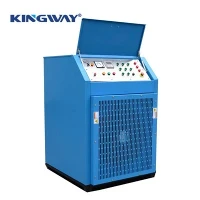
As a supplier of LPG generator sets, I understand the importance of proper maintenance to ensure the longevity and efficient operation of these power sources. LPG (liquefied petroleum gas) generator sets are a popular choice for both residential and commercial applications due to their clean - burning nature, cost - effectiveness, and reliability. In this blog, I will discuss the various types of maintenance that an LPG generator set requires.
Regular Inspections
Regular inspections are the cornerstone of maintaining an LPG generator set. These inspections should be carried out on a routine basis, depending on the frequency of use. For a generator that is used frequently, inspections should be done at least once a month. For less - used generators, a quarterly inspection is sufficient.
Visual Inspections
Visual inspections involve checking the physical condition of the generator set. Look for any signs of damage, such as cracks in the casing, loose wires, or leaks. Inspect the fuel lines for any signs of wear or damage. A damaged fuel line can lead to fuel leakage, which is not only a safety hazard but can also cause the generator to malfunction. Check the air filter for dirt and debris. A clogged air filter can restrict airflow to the engine, reducing its efficiency and performance.
Component Checks
Inspect the spark plugs. Over time, spark plugs can become fouled or worn out, which can lead to misfires and poor engine performance. Replace the spark plugs at regular intervals as recommended by the manufacturer. Check the battery. A weak or dead battery can prevent the generator from starting. Ensure that the battery terminals are clean and free of corrosion. Test the battery regularly to ensure it is holding a charge.
Fuel System Maintenance
The fuel system is a critical part of an LPG generator set. Proper maintenance of the fuel system is essential to ensure the generator runs smoothly.
Fuel Quality
Use high - quality LPG fuel. Low - quality fuel can contain impurities that can damage the engine and reduce its performance. Ensure that the fuel is stored in a clean and proper container. Check the fuel tank regularly for any signs of contamination or water accumulation. Water in the fuel can cause corrosion and damage to the fuel system components.

Fuel Filter Replacement
The fuel filter is designed to remove impurities from the fuel before it reaches the engine. Over time, the fuel filter can become clogged, reducing the flow of fuel to the engine. Replace the fuel filter at regular intervals as recommended by the manufacturer. This will ensure that the engine receives clean fuel and operates efficiently.
Cooling System Maintenance
The cooling system is responsible for keeping the engine at the optimal operating temperature. If the engine overheats, it can cause serious damage to the engine components.
Coolant Level Check
Regularly check the coolant level in the radiator. The coolant helps to absorb and dissipate the heat generated by the engine. If the coolant level is low, add the appropriate coolant as recommended by the manufacturer. Check for any signs of coolant leakage, such as puddles under the generator. A coolant leak can lead to overheating and engine damage.
Radiator and Fan Inspection
Inspect the radiator for any blockages or damage. A blocked radiator can prevent the proper flow of coolant, leading to overheating. Clean the radiator fins regularly to ensure good airflow. Check the fan to ensure it is working properly. A malfunctioning fan can also cause the engine to overheat.
Lubrication System Maintenance
Proper lubrication is essential for the smooth operation of the engine. The lubrication system reduces friction between the moving parts of the engine, preventing wear and tear.
Oil Level Check
Regularly check the oil level in the engine. Low oil levels can cause the engine to overheat and damage the internal components. Use the appropriate type of oil as recommended by the manufacturer. Change the oil at regular intervals, typically every 50 - 100 hours of operation, depending on the usage and the manufacturer's recommendations.
Oil Filter Replacement
The oil filter is responsible for removing contaminants from the oil. Over time, the oil filter can become clogged, reducing its effectiveness. Replace the oil filter at the same time as you change the oil. This will ensure that the engine is lubricated with clean oil.
Electrical System Maintenance
The electrical system of an LPG generator set is responsible for providing power to the various components of the generator.
Battery Maintenance
As mentioned earlier, the battery is an important part of the electrical system. Keep the battery charged and clean. Check the battery terminals regularly for corrosion. If corrosion is present, clean the terminals with a mixture of baking soda and water.
Wiring and Connections
Inspect the wiring and connections for any signs of damage or loose connections. Loose connections can cause electrical problems and reduce the performance of the generator. Ensure that all the wiring is properly insulated and protected.
Specific Models and Their Maintenance
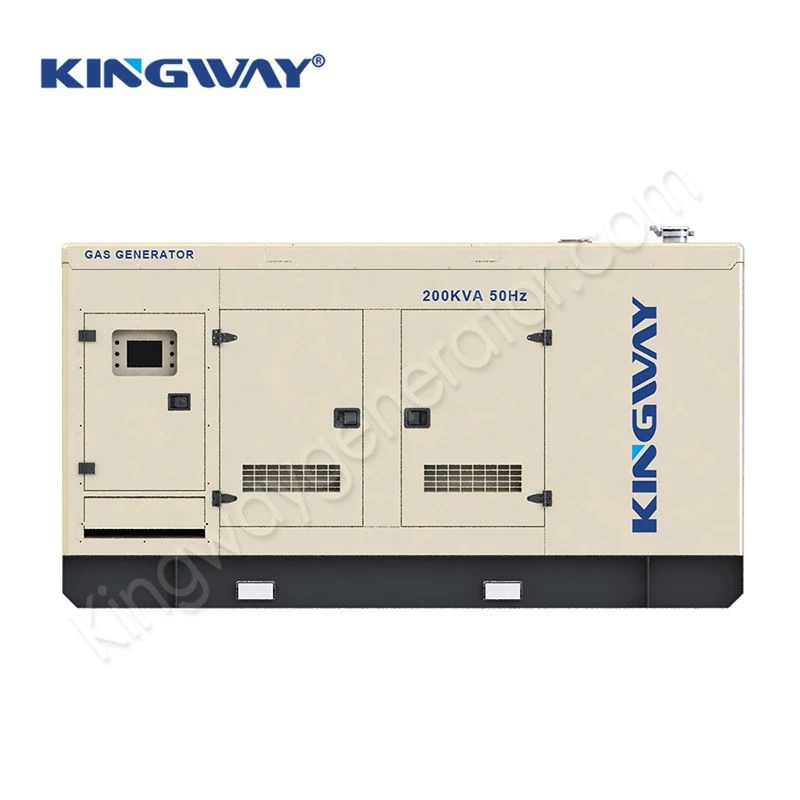
We offer a variety of LPG generator sets, such as the Kingway Natural Gas Generator 250KVA Powered, Water Cooled 50hz 1500rpm Silent 100kw 125kva Natural Gas Generator Set Main Grid, and Kingway Natural Gas Generator 60KVA Powered. Each of these models has its own specific maintenance requirements.
For the Kingway Natural Gas Generator 250KVA Powered, due to its high - power output, it is crucial to pay extra attention to the cooling system and the fuel system. The high - power operation generates more heat, so the cooling system needs to be in top - notch condition. The fuel system should also be carefully maintained to ensure a consistent supply of fuel for the high - demand operation.
The Water Cooled 50hz 1500rpm Silent 100kw 125kva Natural Gas Generator Set Main Grid is designed for quiet operation. The noise - reducing components need to be inspected regularly to ensure they are functioning properly. Additionally, the water - cooling system requires more frequent checks to prevent overheating and maintain the generator's efficiency.
The Kingway Natural Gas Generator 60KVA Powered is a more compact and versatile model. However, it still requires regular maintenance of all the components, including the electrical system, to ensure reliable performance.
Conclusion
Proper maintenance of an LPG generator set is essential for its long - term performance and reliability. By following the maintenance procedures outlined above, you can ensure that your generator set operates efficiently and safely. If you are in the market for an LPG generator set, we are here to assist you. We offer a wide range of high - quality LPG generator sets and can provide you with the necessary support and guidance on maintenance. Whether you need a small generator for residential use or a large - scale generator for commercial applications, we have the right solution for you. Contact us to discuss your requirements and start your journey with a reliable LPG generator set.
References
- Generator Manufacturer's Manuals
- Industry Best Practices for Generator Maintenance