Hey there! As a gas engine supplier, I've seen firsthand how overheating can be a real headache for these powerhouses. In this blog, I'll break down how overheating affects a gas engine, and trust me, it's not pretty.
Let's start with the basics. Gas engines work by burning a mixture of fuel and air to create power. This process generates a ton of heat, and if that heat isn't managed properly, it can lead to some serious problems.
Impact on Engine Components
One of the first things that happens when a gas engine overheats is that the metal components start to expand. This might not sound like a big deal, but it can cause all sorts of issues. For example, the pistons in the engine are designed to fit snugly in the cylinders. When they expand due to overheating, they can rub against the cylinder walls, causing excessive wear and tear. This can lead to reduced engine performance, increased fuel consumption, and even engine failure.
The valves in the engine are also affected by overheating. The high temperatures can cause the valve seats to warp, which means the valves won't seal properly. This can lead to a loss of compression, which in turn reduces the engine's power output. And if the valves get too hot, they can even burn out, which is a major problem that requires expensive repairs.
Another component that's vulnerable to overheating is the engine's lubrication system. The oil in the engine helps to reduce friction between the moving parts and also helps to cool them down. But when the engine gets too hot, the oil can break down and lose its lubricating properties. This can cause increased friction, which can lead to more heat being generated, creating a vicious cycle.
Effects on Engine Performance
Overheating can have a significant impact on the performance of a gas engine. As I mentioned earlier, the loss of compression due to warped valves can reduce the engine's power output. This means that the engine might not be able to produce as much power as it normally would, which can be a problem if you're using the engine for heavy-duty applications.
In addition to reduced power output, overheating can also cause the engine to run rough. This is because the uneven expansion of the engine components can lead to misfires, which can make the engine shake and vibrate. And if the engine is running rough, it's not only uncomfortable to use, but it can also cause further damage to the engine over time.
Safety Risks
Overheating can also pose some serious safety risks. When an engine overheats, it can cause the coolant to boil, which can lead to a build-up of pressure in the cooling system. If the pressure gets too high, it can cause the radiator or other components of the cooling system to burst, which can result in hot coolant spraying out. This can be extremely dangerous, as the coolant is hot enough to cause burns.
In addition, an overheating engine can also increase the risk of a fire. The high temperatures can cause the fuel in the engine to ignite, which can lead to a fire. And if the fire isn't extinguished quickly, it can spread to other parts of the vehicle or equipment, causing even more damage.
Preventing Overheating
So, how can you prevent your gas engine from overheating? Well, the first step is to make sure that the cooling system is working properly. This means checking the coolant level regularly and making sure that the radiator and other components are clean and free of debris. You should also have the cooling system flushed and refilled at regular intervals to remove any contaminants that might be present.
Another important step is to make sure that the engine is properly maintained. This includes changing the oil and filters regularly, as well as checking the spark plugs and other components for wear and tear. A well-maintained engine is less likely to overheat, as it will be running more efficiently and generating less heat.
Finally, it's important to avoid overloading the engine. If you're using the engine for heavy-duty applications, make sure that it's rated for the load. Overloading the engine can cause it to work harder than it's designed to, which can lead to overheating.
Our Gas Engines
At our company, we offer a range of high-quality gas engines that are designed to be reliable and efficient. For example, we have the 30kw Gas Engine 50hz 1500rpm Water Cooled, which is perfect for small to medium-sized applications. This engine is water-cooled, which helps to keep it running at a safe temperature even under heavy loads.
We also have the Water Cooled 50hz 1500rpm 160kw Natural Gas Engine, which is a powerful engine that's suitable for larger applications. This engine is also water-cooled, and it's designed to be fuel-efficient and reliable.

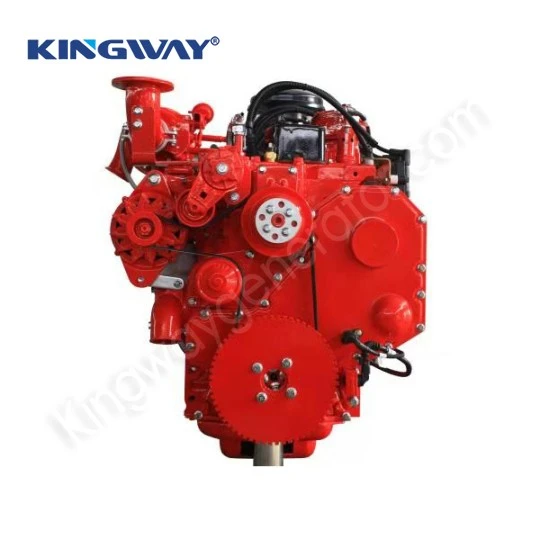
And if you're looking for something in between, we have the 50hz 1500rpm Water Cooled 60kw Natural Gas Engine, which is a versatile engine that can be used for a variety of applications.
Contact Us for Purchasing
If you're interested in purchasing a gas engine, or if you have any questions about our products, please don't hesitate to contact us. We'd be happy to help you find the right engine for your needs.
References
- Automotive Engineering Handbook, various editions
- Gas Engine Manufacturers' Technical Bulletins