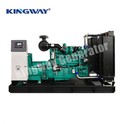
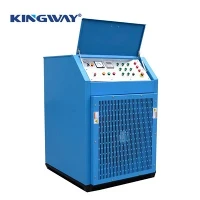
As a supplier of natural gas generators, I often get asked by customers, "How often should I service my natural gas generator?" This is a crucial question because proper maintenance is the key to ensuring the longevity, reliability, and efficiency of your generator. In this blog post, I'll delve into the factors that determine the service intervals for natural gas generators and provide some general guidelines to help you keep your generator in top shape.
Factors Affecting Service Intervals
Usage Frequency
The more frequently you use your natural gas generator, the more often it will need servicing. Generators that are used regularly, such as those in commercial settings or for standby power in areas with frequent power outages, will accumulate more operating hours and put more wear and tear on the components. For example, a generator that runs for several hours a day will require more frequent maintenance than one that is only used a few times a year.
Operating Conditions
The environment in which your generator operates also plays a significant role in determining service intervals. If your generator is located in a dusty, dirty, or humid environment, it will be more prone to dirt and moisture buildup, which can lead to corrosion and other issues. Additionally, extreme temperatures can affect the performance of the generator and its components. For instance, generators operating in hot climates may require more frequent cooling system maintenance to prevent overheating.
Generator Size and Capacity
Larger generators with higher capacities generally require more frequent servicing than smaller ones. This is because they have more complex systems and components that are under greater stress during operation. For example, a Water Cooled 50hz 1500rpm Silent 100kw 125kva Natural Gas Generator Set Main Grid will have more components and a larger engine than a smaller generator, and therefore may need more frequent maintenance to ensure optimal performance.
Manufacturer Recommendations
It's important to follow the manufacturer's recommendations for service intervals. Each generator model is designed with specific maintenance requirements, and following these guidelines will help you avoid costly repairs and ensure the warranty remains valid. The manufacturer's manual will provide detailed information on the recommended service intervals for different components, such as oil changes, filter replacements, and spark plug inspections.
General Service Intervals
Daily Checks
- Visual Inspection: Check for any signs of leaks, damage, or loose connections. Inspect the fuel lines, coolant levels, and oil levels.
- Battery Check: Ensure the battery is fully charged and the terminals are clean and tight.
- Run the Generator: Start the generator and let it run for a few minutes to check for any abnormal noises or vibrations.
Weekly Checks
- Load Test: Run the generator under a load for at least 30 minutes to ensure it is operating properly.
- Fuel System Check: Check the fuel filter and ensure the fuel supply is adequate.
Monthly Checks
- Air Filter Inspection: Inspect the air filter and clean or replace it if necessary.
- Coolant System Check: Check the coolant level and inspect the hoses and radiator for any signs of leaks or damage.
- Oil Level Check: Check the oil level and change the oil if it is dirty or low.
Quarterly Checks
- Spark Plug Inspection: Inspect the spark plugs and replace them if they are worn or fouled.
- Belt and Pulley Inspection: Inspect the belts and pulleys for any signs of wear or damage.
- Generator Controls Check: Check the generator controls and settings to ensure they are functioning properly.
Annual Checks
- Full Service: Have a professional technician perform a full service on the generator, including a complete inspection, tune-up, and any necessary repairs.
- Load Bank Testing: Conduct a load bank test to ensure the generator can handle its rated load.
Importance of Regular Maintenance
Regular maintenance of your natural gas generator is essential for several reasons:
Reliability
A well-maintained generator is more likely to start and run reliably when you need it. This is especially important in emergency situations, such as power outages, where a reliable generator can provide critical power to your home or business.


Efficiency
Proper maintenance helps to ensure that your generator operates at peak efficiency, which can save you money on fuel costs. A generator that is not properly maintained may consume more fuel than necessary, leading to higher operating costs.
Longevity
Regular maintenance can extend the lifespan of your generator by preventing premature wear and tear on the components. By following the recommended service intervals, you can avoid costly repairs and replacements in the long run.
Safety
A properly maintained generator is safer to operate. Regular inspections can help to identify and address any potential safety issues, such as leaks or electrical problems, before they become a hazard.
Conclusion
In conclusion, the frequency of servicing your natural gas generator depends on several factors, including usage frequency, operating conditions, generator size, and manufacturer recommendations. By following the general service intervals outlined in this blog post and consulting the manufacturer's manual, you can ensure that your generator remains in top condition and provides reliable power when you need it.
If you're in the market for a natural gas generator, we offer a wide range of high-quality generators, including the 160KW Natural Gas Generator and the Kingway Natural Gas Generator 200KVA Powered. Our generators are designed to provide reliable power and are backed by our commitment to quality and customer service. If you have any questions or would like to discuss your specific power needs, please don't hesitate to contact us. We look forward to helping you find the perfect natural gas generator for your home or business.
References
- Manufacturer's manuals for natural gas generators
- Industry standards and best practices for generator maintenance