Hey there, folks! As a supplier of Open Type Diesel Generators, I get asked a ton about how these bad boys start up. So, I thought I'd break it down for you in this blog.
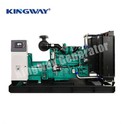
Let's first understand what an Open Type Diesel Generator is. It's a type of generator where the engine and alternator are exposed, unlike enclosed generators. This open design makes it easier for maintenance and also offers better ventilation, which is crucial for the generator's performance.
Now, onto the starting methods. There are basically two main starting methods for an Open Type Diesel Generator: electric starting and manual starting.
Electric Starting
The electric starting method is the most common one, and for good reason. It's convenient, fast, and reliable. Here's how it works.
1. Battery Power
Every Open Type Diesel Generator with electric start has a battery. This battery is like the heart of the starting system. When you turn the key or press the start button, an electrical current is sent from the battery to the starter motor. The battery needs to be in good condition and fully charged for this process to work smoothly.
For example, if you've got a 50HZ Open Diesel Generator, the battery provides the initial power to get the engine turning. A weak or dead battery can cause all sorts of problems, like the engine not starting at all or cranking very slowly.
2. Starter Motor
The starter motor is a crucial component in the electric starting system. Once it receives the electrical current from the battery, it starts to spin. The starter motor has a small gear on its shaft that engages with a larger gear on the engine's flywheel. When the starter motor spins, it turns the flywheel, which in turn starts the engine's internal combustion process.
This is all about getting the engine's pistons moving up and down, creating the compression and ignition needed to keep the engine running. It's like giving the engine a little nudge to get it going.
3. Control Panel
The control panel is where you interact with the generator. It has a start button or a key switch. When you operate this, it sends a signal to the starter solenoid. The starter solenoid is a switch that allows a large current to flow from the battery to the starter motor. It's like a gatekeeper, making sure that the right amount of power gets to the starter motor at the right time.
Manual Starting
Manual starting, on the other hand, is a bit more old - fashioned but still useful in some situations.
1. Recoil Starter
Some smaller Open Type Diesel Generators come with a recoil starter. It's basically a rope that you pull. When you give the rope a sharp pull, it turns the engine's flywheel directly. The force from your pull gets the engine's pistons moving, and if everything is set up correctly, the engine will start.
This method is simple and doesn't rely on a battery or any electrical components. It's great for generators that are used in remote areas where there's no easy access to electricity to charge a battery. However, it can be a bit physically demanding, especially if the engine is cold.
2. Hand Cranking
In some very rare cases, you might come across an Open Type Diesel Generator that uses hand cranking for starting. This involves using a crank handle to turn the engine's crankshaft directly. It's a very old - school method and not as common these days. It requires a lot of physical effort and is usually only found on very small or antique generators.
Factors Affecting Starting
There are a few factors that can affect the starting of an Open Type Diesel Generator, whether it's electric or manual starting.


1. Temperature
Cold temperatures can be a real pain when it comes to starting a diesel generator. Diesel fuel tends to thicken in cold weather, which can make it harder for the engine to start. In cold conditions, the battery also loses some of its power, making it less effective at powering the starter motor.
To combat this, some generators come with a glow plug system. Glow plugs heat up the air in the combustion chamber, making it easier for the diesel fuel to ignite. This is especially important in colder climates.
2. Fuel Quality
The quality of the diesel fuel you use can also have a big impact on starting. If the fuel is contaminated with water or dirt, it can clog the fuel injectors and prevent the engine from starting properly. It's important to use clean, high - quality diesel fuel to ensure reliable starting.
3. Maintenance
Regular maintenance is key to ensuring that your Open Type Diesel Generator starts easily every time. This includes changing the oil, replacing the air filter, and checking the fuel system. A well - maintained generator will be more reliable and have fewer starting problems.
Conclusion
So, there you have it, the starting methods of an Open Type Diesel Generator. Whether you prefer the convenience of electric starting or the simplicity of manual starting, understanding how your generator starts is crucial for its proper operation.
If you're in the market for an Open Type Diesel Generator, we've got a great selection. Check out our 50HZ Open Diesel Generator and 60HZ Open Diesel Generator options. We're here to help you find the perfect generator for your needs. If you have any questions or want to discuss a purchase, don't hesitate to reach out. We're always happy to chat and help you make the right choice.
References
- Diesel Generator Handbook, various industry publications
- Manufacturer's manuals for Open Type Diesel Generators