As a supplier of natural gas generators, I often get asked if a natural gas generator can be used as a backup for a wind turbine. It's a great question, and one that has a lot of implications for those looking to ensure a stable and reliable power supply. In this blog post, I'll dive into the details of using a natural gas generator as a backup for a wind turbine, exploring the pros and cons, and providing some insights based on my experience in the industry.
How Wind Turbines Work
First, let's quickly go over how wind turbines generate electricity. Wind turbines convert the kinetic energy of the wind into electrical energy. When the wind blows, it turns the blades of the turbine, which are connected to a generator. The generator then produces electricity that can be used to power homes, businesses, and other facilities.
However, the amount of electricity a wind turbine can generate depends on the wind speed. If the wind is too slow, the turbine won't produce much power. And if the wind is too strong, the turbine may need to be shut down to prevent damage. This variability in wind speed means that wind turbines can't always provide a consistent and reliable power supply.
The Role of a Backup Generator
This is where a backup generator comes in. A backup generator can provide power when the wind turbine isn't producing enough electricity. It can kick in during periods of low wind or when the wind turbine needs to be shut down for maintenance or repairs.
A natural gas generator is a popular choice for a backup power source. Natural gas is a clean-burning fuel that is readily available in many areas. It's also relatively inexpensive compared to other fuels, such as diesel or gasoline.


Advantages of Using a Natural Gas Generator as a Backup
There are several advantages to using a natural gas generator as a backup for a wind turbine:
- Reliability: Natural gas generators are known for their reliability. They can start up quickly and provide power within seconds of a power outage. This means that you can have a seamless transition from wind power to generator power, ensuring that your critical systems stay up and running.
- Cost-Effectiveness: As mentioned earlier, natural gas is a relatively inexpensive fuel. This makes it a cost-effective option for a backup power source. Additionally, natural gas generators are generally more fuel-efficient than other types of generators, which can help you save money on fuel costs over time.
- Environmental Friendliness: Natural gas is a cleaner-burning fuel than diesel or gasoline. It produces fewer emissions, which is better for the environment. This is especially important if you're looking to reduce your carbon footprint.
- Availability: Natural gas is widely available in many areas. This means that you can easily access fuel for your generator, even during a power outage.
Disadvantages of Using a Natural Gas Generator as a Backup
While there are many advantages to using a natural gas generator as a backup for a wind turbine, there are also some disadvantages to consider:
- Dependence on Gas Supply: A natural gas generator relies on a continuous supply of gas. If there is a disruption in the gas supply, the generator won't be able to operate. This can be a problem during extreme weather events or other emergencies.
- Initial Cost: Natural gas generators can be more expensive to purchase and install than other types of generators. This is because they require a gas connection and additional equipment, such as a gas regulator and a fuel storage tank.
- Maintenance Requirements: Natural gas generators require regular maintenance to ensure that they operate properly. This includes tasks such as changing the oil, replacing the air filter, and checking the spark plugs. Failure to perform regular maintenance can lead to breakdowns and costly repairs.
Our Natural Gas Generator Offerings
At our company, we offer a wide range of natural gas generators that are suitable for use as backups for wind turbines. Our generators are available in various sizes and configurations to meet the needs of different applications.
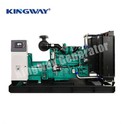
- Supply 40KVA - 600KVA Natural Gas LNG LPG Biogas: These generators are designed to provide reliable power in a variety of settings. They are available in different power ratings, so you can choose the one that best suits your needs.
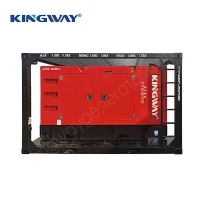
- Water Cooled 50hz 1500rpm Silent 100kw 125kva Natural Gas Generator Set Main Grid: This generator is a great option for those who need a quiet and efficient power source. It features water cooling and a low noise level, making it ideal for use in residential and commercial settings.
- 160KW Natural Gas Generator: This high-power generator is suitable for larger applications, such as industrial facilities and commercial buildings. It provides a reliable and efficient power supply, even during extended periods of use.
Conclusion
In conclusion, a natural gas generator can be a great backup for a wind turbine. It offers reliability, cost-effectiveness, environmental friendliness, and availability. However, it's important to consider the disadvantages, such as dependence on the gas supply, initial cost, and maintenance requirements.
If you're considering using a natural gas generator as a backup for your wind turbine, I encourage you to contact us to learn more about our products and services. We can help you choose the right generator for your needs and provide you with the support and maintenance you need to keep it running smoothly.
References
- Smith, J. (2020). "The Benefits of Using Natural Gas Generators for Backup Power." Energy Journal.
- Jones, A. (2019). "Wind Turbine Technology and Power Generation." Renewable Energy Magazine.