As a supplier of natural gas generators, I often receive inquiries about how these generators connect to the gas supply. In this blog post, I'll delve into the process, providing a detailed guide on the connection steps, safety considerations, and the importance of a proper gas supply connection for optimal generator performance.
Understanding the Basics of Natural Gas Generators
Before we discuss the connection process, it's essential to understand what a natural gas generator is and how it works. A natural gas generator is a type of generator that uses natural gas as its fuel source to produce electricity. These generators are popular due to their efficiency, lower emissions compared to other fossil fuels, and the widespread availability of natural gas.
Components of a Natural Gas Generator Connection
To connect a natural gas generator to the gas supply, several components are involved:
- Gas Supply Line: This is the pipeline that brings natural gas from the main supply to the generator. It is typically made of steel or copper and must be properly sized to ensure an adequate flow of gas to the generator.
- Gas Shut - off Valve: This valve allows you to control the flow of gas to the generator. It should be easily accessible and in good working condition.
- Gas Regulator: The gas regulator is responsible for reducing the high - pressure gas from the supply line to a pressure that is suitable for the generator. It ensures a consistent and safe supply of gas to the engine.
- Flexible Gas Connector: This is a flexible tube that connects the gas supply line to the generator. It allows for some movement and vibration without causing damage to the connection.
Step - by - Step Connection Process
- Locate the Gas Supply: First, you need to find the natural gas supply line. This is usually a pipe that comes into your property from the street. It may be located in a basement, utility room, or outside near the building.
- Install the Gas Shut - off Valve: Install a gas shut - off valve on the gas supply line near the generator. This valve should be installed in a location where it can be easily reached in case of an emergency.
- Install the Gas Regulator: Connect the gas regulator to the gas supply line. The regulator should be installed according to the manufacturer's instructions. Make sure to use the appropriate fittings and sealants to prevent gas leaks.
- Connect the Flexible Gas Connector: Connect one end of the flexible gas connector to the gas regulator and the other end to the generator. Ensure that the connection is tight and secure.
- Test for Gas Leaks: After making all the connections, it's crucial to test for gas leaks. You can use a gas leak detector or a soapy water solution. Apply the soapy water to all the connections, and if you see bubbles forming, there is a gas leak. Tighten the connections or replace any faulty parts.
Safety Considerations
Safety is of utmost importance when connecting a natural gas generator to the gas supply. Here are some safety tips:
- Ventilation: Ensure that the generator is installed in a well - ventilated area. Natural gas combustion produces carbon monoxide, which is a colorless and odorless gas that can be deadly if inhaled in high concentrations.
- Professional Installation: If you are not experienced in working with gas systems, it's recommended to have a professional install the generator and connect it to the gas supply.
- Regular Maintenance: Regularly inspect the gas supply line, valves, and regulator for any signs of wear or damage. Replace any worn - out parts immediately.
Importance of a Proper Gas Supply Connection
A proper gas supply connection is crucial for the efficient and safe operation of a natural gas generator. If the gas supply is not properly connected, it can lead to several problems:
- Reduced Performance: An improper gas supply can result in the generator not running at its full capacity, leading to reduced power output.
- Safety Hazards: Gas leaks can pose a significant safety risk, including the risk of fire and explosion.
- Increased Maintenance Costs: A poorly connected gas supply can cause damage to the generator over time, leading to increased maintenance costs.
Our Natural Gas Generator Products
At our company, we offer a wide range of natural gas generators to meet different power needs. For example, our 350KW 3 Phase Silent Natural Gas Powered Generator is a high - performance generator suitable for industrial and commercial applications. It features a silent design, making it ideal for use in noise - sensitive areas.
Another popular product is our Water Cooled 50hz 1500rpm Silent 100kw 125kva Natural Gas Generator Set Main Grid. This generator is water - cooled, which helps to maintain a stable operating temperature and ensures long - term reliability.
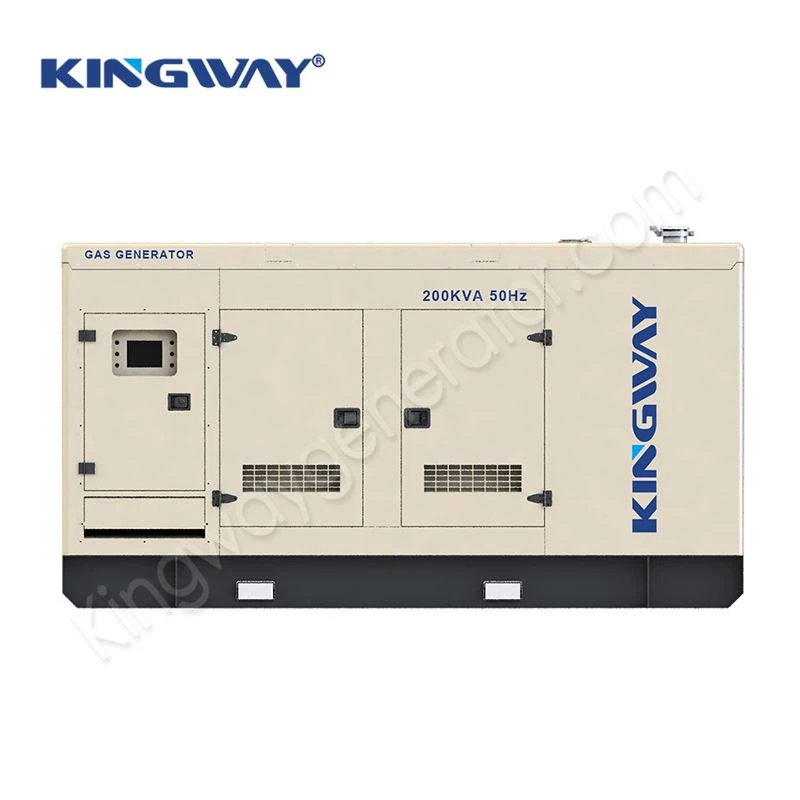
We also have the Kingway Natural Gas Generator 250KVA Powered, which is a powerful and efficient generator suitable for large - scale power requirements.

Contact Us for Purchase and Consultation
If you are interested in purchasing a natural gas generator or have any questions about the connection process, we are here to help. Our team of experts can provide you with detailed information about our products and assist you in making the right choice for your needs. Whether you need a generator for your home, business, or industrial application, we have the solution for you.
References
- "Natural Gas Generator Installation Guide", Manufacturer's Manual
- "Safety Standards for Gas Appliances", National Fire Protection Association