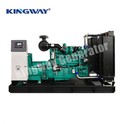
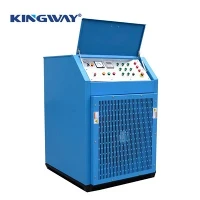
When it comes to ensuring a reliable power supply, especially in areas prone to power outages or for critical applications, a gas generator set can be an excellent backup power source. As a gas generator set supplier, I have witnessed firsthand the importance of understanding the requirements for using these generators effectively. In this blog post, I will discuss the key requirements for using a gas generator set as a backup power source.
1. Power Capacity Requirements
The first and most crucial requirement is to determine the appropriate power capacity of the gas generator set. This involves calculating the total power consumption of the equipment and appliances that need to be powered during a power outage. It is essential to consider both the starting and running power requirements of each device. For example, some appliances like refrigerators and air conditioners have a high starting power demand, which is significantly higher than their running power.
To accurately calculate the power capacity, make a list of all the essential equipment and their power ratings. Add up the running power of all the devices and then account for the additional starting power requirements. It is advisable to choose a generator with a slightly higher capacity than the calculated total to ensure it can handle the load without overloading.
For instance, if you have a small office with a few computers, printers, and a refrigerator, a 160KW Natural Gas Generator might be sufficient. However, for a larger industrial facility with heavy machinery and multiple electrical systems, a 350KW 3 Phase Silent Natural Gas Powered Generator would be more appropriate.
2. Fuel Supply and Storage
Gas generator sets typically run on natural gas or propane. The availability and reliability of the fuel supply are critical factors. If you choose a natural gas-powered generator, ensure that your location has a reliable natural gas pipeline connection. Propane generators, on the other hand, require a propane tank for fuel storage.
The size of the fuel storage tank depends on the expected runtime of the generator during a power outage. Consider the generator's fuel consumption rate and the duration of the power outages in your area. It is recommended to have enough fuel to run the generator for at least 24 to 48 hours.
Regular maintenance of the fuel system is also essential. This includes checking for leaks, ensuring proper ventilation, and keeping the fuel clean. A contaminated fuel supply can cause engine problems and reduce the generator's efficiency.
3. Installation and Location
Proper installation of the gas generator set is crucial for its safe and efficient operation. The generator should be installed in a well-ventilated area, away from windows, doors, and other openings to prevent the exhaust fumes from entering the building. It is also important to ensure that the installation site is level and stable to prevent vibrations and damage to the generator.
The generator should be connected to the electrical system of the building through a transfer switch. A transfer switch allows for a seamless transition between the main power supply and the generator power during a power outage. It also ensures that the generator does not backfeed into the main power grid, which can be dangerous for utility workers.
4. Maintenance and Service
Regular maintenance is essential to keep the gas generator set in good working condition. This includes oil changes, filter replacements, and spark plug inspections. Following the manufacturer's maintenance schedule is crucial to prevent breakdowns and ensure the generator's reliability.
It is also recommended to have a professional service technician perform regular inspections and tune-ups. A qualified technician can identify potential problems early and perform the necessary repairs or adjustments. Additionally, having a maintenance contract with a reputable service provider can give you peace of mind knowing that your generator is being properly maintained.
5. Safety Requirements
Safety is of utmost importance when using a gas generator set. The generator should be equipped with safety features such as over - current protection, over - temperature protection, and low - oil pressure shutdown. These features help prevent damage to the generator and ensure the safety of the users.


Proper grounding of the generator is also essential to prevent electrical shocks. The generator should be grounded according to the local electrical codes and standards. Additionally, users should be trained on the proper operation and safety procedures of the generator.
6. Noise and Environmental Considerations
Gas generator sets can produce significant noise during operation. If the generator is installed in a residential or commercial area, it is important to consider the noise level. Some generators are designed to be quieter, such as the Kingway Natural Gas Generator 160KVA Powered, which features noise - reducing technology.
In addition to noise, environmental considerations are also important. Gas generators produce exhaust emissions, which can have an impact on the environment. It is important to choose a generator that meets the relevant environmental standards and regulations.
7. Monitoring and Control
Modern gas generator sets often come with monitoring and control systems. These systems allow users to monitor the generator's performance, including fuel level, engine temperature, and power output. Some systems also offer remote monitoring capabilities, which can be useful for businesses or facilities that need to keep track of the generator's status even when they are not on - site.
By having access to real - time data, users can detect potential problems early and take appropriate action. This can help prevent downtime and ensure the continuous operation of the generator.
8. Compatibility with Existing Electrical Systems
Before purchasing a gas generator set, it is important to ensure that it is compatible with the existing electrical systems in your building. This includes checking the voltage, frequency, and phase requirements. The generator should be able to provide the same electrical specifications as the main power supply to ensure proper operation of the connected equipment.
Conclusion
Using a gas generator set as a backup power source requires careful consideration of several factors. From determining the appropriate power capacity to ensuring proper installation, maintenance, and safety, each requirement plays a crucial role in the reliable operation of the generator.
If you are in the market for a gas generator set, I encourage you to contact us to discuss your specific needs. Our team of experts can help you select the right generator for your application and provide you with the necessary support and guidance. Whether you need a small generator for a home or a large generator for an industrial facility, we have the solutions to meet your requirements.
References
- Manufacturer's manuals for gas generator sets
- Electrical codes and standards related to generator installation and operation
- Industry research on backup power solutions and generator performance